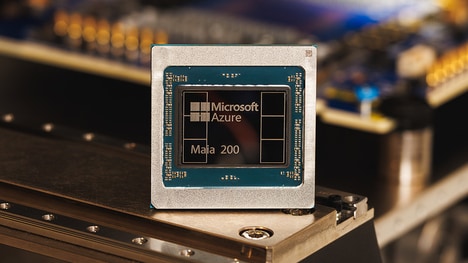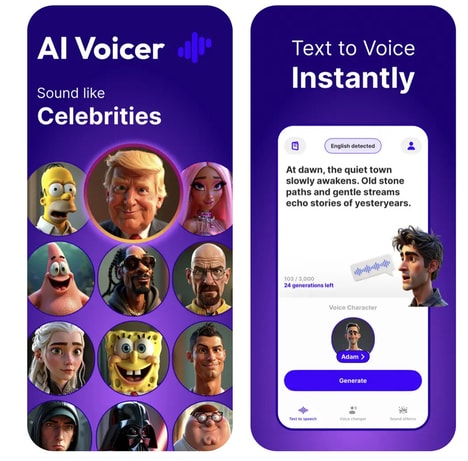
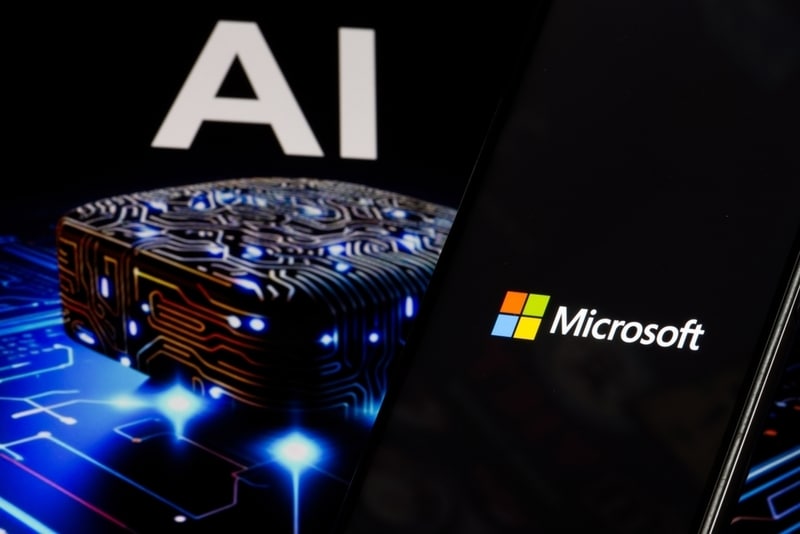
Microsoft released three in-house MAI models — MAI-Transcribe-1, MAI-Voice-1 and MAI-Image-2 — via Microsoft Foundry, developed by the MAI Superintelligence team led by Mustafa Suleyman and designed to provide integrated speech, voice and image capabilities. MAI-Transcribe-1 delivered low word-error rates across 25 languages; MAI-Voice-1 generates high-quality speech and supports custom voices from seconds of audio; MAI-Image-2 ranked highly on text-to-image leaderboards.
The models run on Microsoft infrastructure and carry no OpenAI branding. The trio includes performance and efficiency gains: faster transcription, subsecond audio generation on a single GPU and enterprise collaborations with partners such as WPP. For enterprises, the MAI family creates a self-contained multimodal stack that reduces dependency on third-party models and simplifies deployment across Microsoft cloud services, signaling a shift toward vertically integrated AI suites in the enterprise market.
Image Credit: Below the Sky / Shutterstock.com
Why This Trend Is Growing
- Enterprise-owned Multimodal Stacks
- A shift toward vendor-controlled multimodal AI stacks that bundle speech, voice and image models promises to reduce reliance on third-party providers and consolidate end-to-end capabilities within single cloud ecosystems.
- Few-second Custom Voice Synthesis
- The ability to generate high-fidelity custom voices from seconds of audio enables personalized voice assets at scale, opening possibilities for brand-specific synthetic voices and scalable localization.
- Performance-driven Model Efficiency
- Subsecond audio generation on a single GPU and faster multilingual transcription demonstrate a push for models that maximize throughput and cost-efficiency for real-time enterprise workloads.
Industries Being Reshaped
- Cloud Infrastructure
- Integrated MAI models hosted on a major cloud provider point toward vertically integrated offerings that could shift enterprise procurement toward platform-native AI services.
- Advertising and Media
- High-quality custom voice synthesis and rapid image generation present new paths for scalable ad personalization, voice branding and automated multimedia content production.
- Localization and Transcription Services
- Low word-error multilingual transcription capabilities and fast speech generation suggest opportunities to streamline localization pipelines and reduce turnaround times for global content.