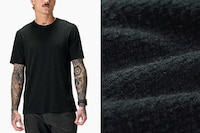


An Australia-based startup called 'Threadsmiths' is currently producing a hydrophobic t-shirt that is completely stain-proof. The company was started by David Mason, who loved wearing white t-shirts, but hated the hassle of trying to keep them keep. As a result, he created a stain-proof shirt that requires virtually no cleaning.
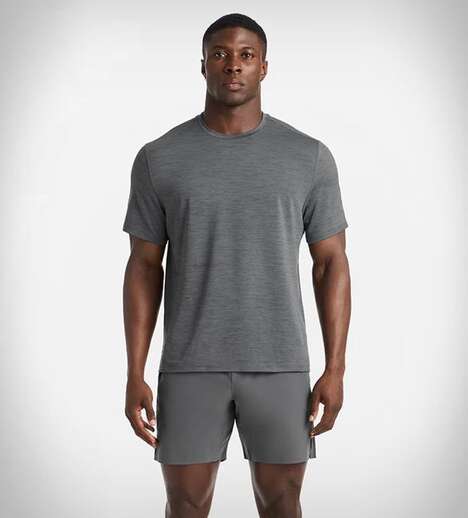
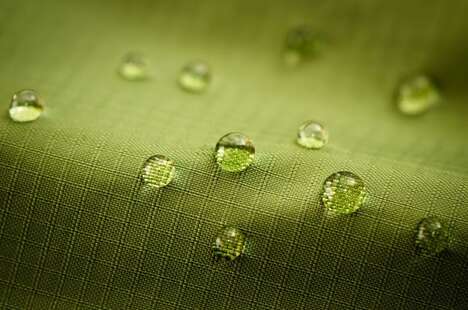
The hydrophobic t-shirt from Threadsmiths is a basic cotton shirt that uses nanotech to repel liquids such as water, coffee and even hot sauce. The shirt even resists bacteria and the moisture from sweat, which means that consumers can go several weeks without washing the shirt.
The new technology is not only useful for helping consumers avoid embarrassing stains, but it also benefits the environment. By washing their clothing less often, consumers reduce their energy and water consumption significantly. As a result, the stain-proof shirts serve as an eco-friendly clothing alternative.
What Makes This Trend Stand Out
- Hydrophobic Clothing
- Nanotech-based hydrophobic clothing will disrupt the traditional clothing industry by reducing the need for washing and fewer stains.
- Sustainable Fashion
- Stain-proof and water-resistant clothing redefines sustainable fashion by reducing the environmental impact of washing and water usage.
- Smart Textiles
- Hydrophobic and stain-proof textiles will fuel a rise in smart fabrics, allowing for more advanced and innovative features in apparel.
Sectors Adopting This
- Apparel
- Hydrophobic clothing will disrupt and transform the fashion industry by paving the way for eco-friendly and innovative clothing designs.
- Textile Manufacturing
- Nanotech-based hydrophobic clothing poses opportunities for textile manufacturers to move towards sustainable and innovative textile production processes.
- Environment and Sustainability
- The use of hydrophobic clothing technology can make positive contributions to environmental sustainability by reducing water consumption, energy usage and carbon footprint of clothing production.