
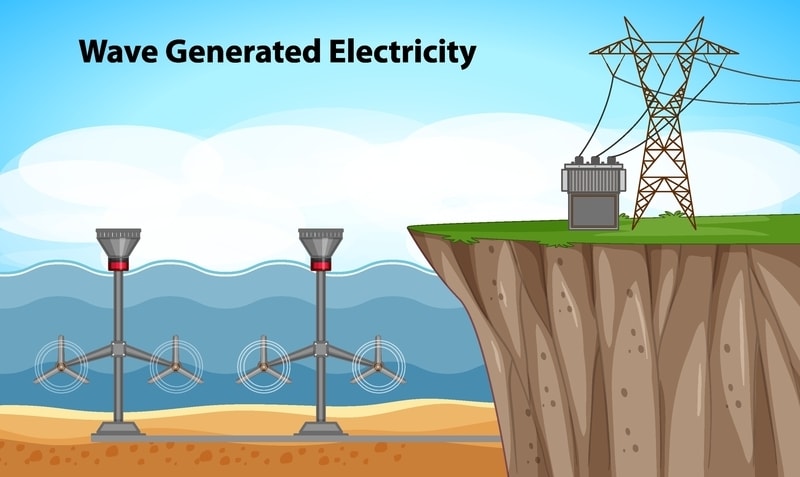
The state government of Tripura in India has introduced a new hydrokinetic power initiative that uses in-stream river turbines to generate clean electricity without large dams. Led by the state’s power department, the project targets 10 identified river sites with the goal of producing up to 185 megawatts of renewable power. The move differentiates itself by tapping existing river flow, complementing both grid power and the state’s fast-growing solar portfolio.
Unlike conventional hydropower, hydrokinetic systems sit directly in flowing water, using current speed rather than height differences to spin turbines. Tripura officials confirmed that work on the first sites is slated to begin within the coming month, signaling rapid deployment. The river initiative is being developed alongside rooftop and building-mounted solar programs, including installations across roughly 2,000 government buildings and thousands of homes, building a diversified energy mix.
For residents, the combined hydrokinetic and solar push promises more reliable electricity, less dependence on fossil fuels, and added resilience as demand climbs toward 2031. The trend reflects how smaller regions are experimenting with modular, lower-impact renewables instead of relying only on large power plants. As more households and institutions participate in distributed generation, Tripura’s model showcases how river and rooftop resources can work together to build energy security and support long-term economic growth.
Image Credit: BlueRingMedia / Shutterstock.com
Key Themes Behind This Trend
- Hydrokinetic Energy Adoption
- The increasing use of in-stream river turbines represents a shift towards low-impact hydroelectric solutions, enabling energy production without significant environmental disruption.
- Distributed Renewable Energy Systems
- Combining hydrokinetic and solar power installations illustrates a move towards decentralized, locally generated renewable energy sources tailored to community needs.
- Modular Renewable Solutions
- Small-scale hydrokinetic projects alongside solar programs demonstrate an modular approach to energy generation, appealing for regions moving away from traditional large-scale power plants.
Where This Applies
- Renewable Energy
- The renewable energy industry is poised to expand its offerings with hydrokinetic technologies, bridging gaps in regions where traditional hydroelectric setups are infeasible.
- Green Infrastructure
- Innovations in hydrokinetic turbines contribute to the green infrastructure sector by adding sustainable power options that integrate naturally into existing watercourses.
- Smart Grid Technology
- Advancements in smart grid technology connect diverse energy sources like hydrokinetic and solar, enhancing grid reliability and fostering adaptive energy systems.