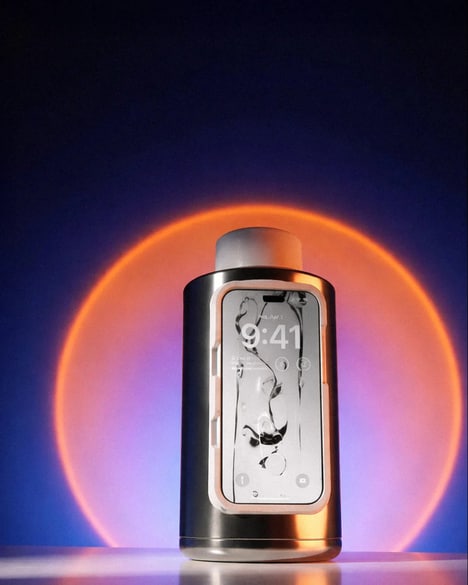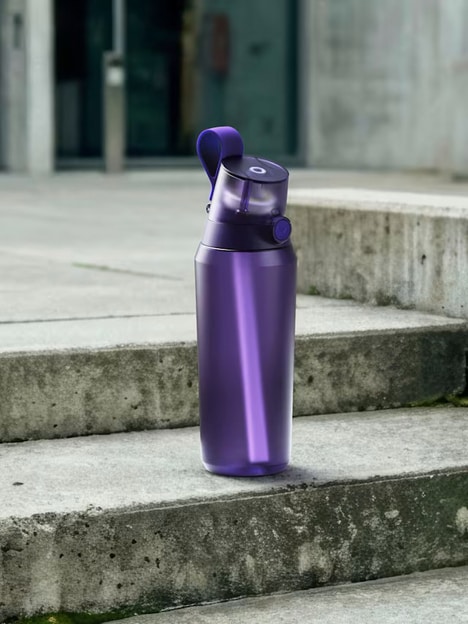
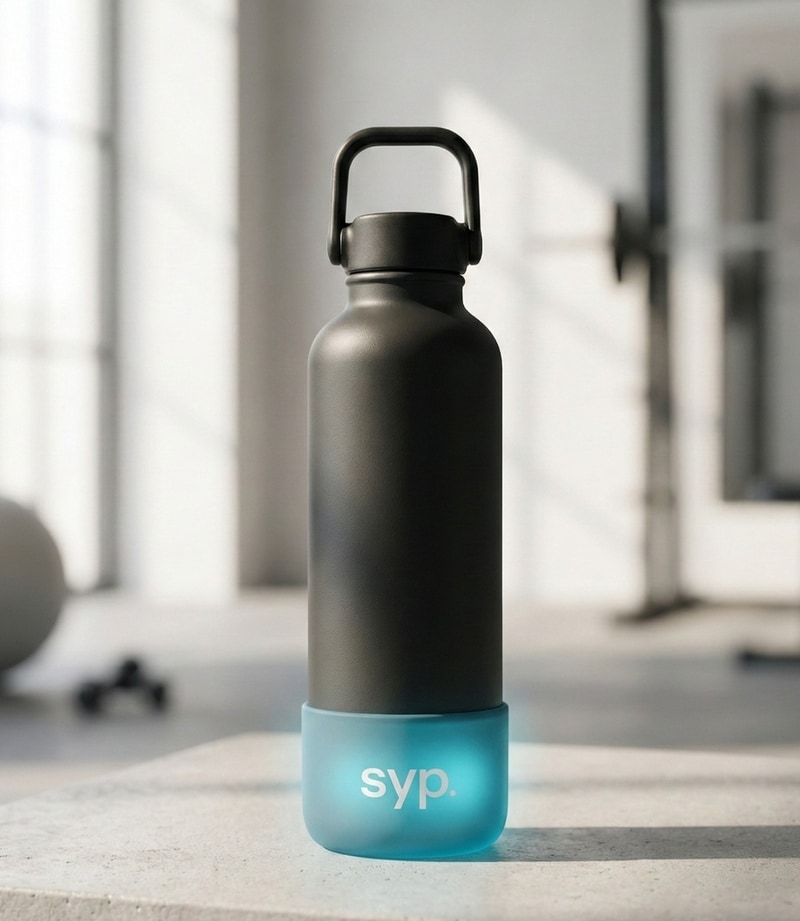
Syp introduced a bottle-base hydration sleeve developed by USF athletes Mathis Haugen and Rima El Brouzi, featuring a patent-pending silicone sleeve that attaches to standard bottles and tracks fluid intake in real time via a Bluetooth load sensor. The system pairs with a mobile app designed to translate intake into personalized hydration guidance based on body, activity and environment.
The founders pivoted from building a smart bottle to creating an add-on module that converts any bottle into a connected hydration platform; the device is patent pending and a first prototype was due in spring 2026. The team has recruited athlete testers through USF and plans pilot testing with selected athletics teams ahead of a broader spring 2027 launch.
For athletes and active students, Syp’s sleeve aims to make precise hydration actionable, helping adjust training and recovery by delivering individualized intake data. The approach reflects a broader trend toward retrofit wearable sensors that upgrade everyday gear without replacing it.
Image Credit: Syp
What's Driving This Trend
- Retrofit Sensor Platforms
- A modular sleeve that upgrades existing consumer products into connected devices opens possibilities for low-cost sensor ecosystems that avoid full product replacement.
- Personalized Hydration Analytics
- Real-time intake tracking combined with contextual data enables individualized fluid-optimization models that could redefine performance and wellness recommendations.
- Athlete-centric Performance Tech
- Tools designed around the routines and constraints of athletes create opportunities for niche, high-value telemetry that integrates with training and recovery workflows.
Who This Affects Most
- Sports Equipment
- Integration of smart add-ons into existing gear presents a pathway for manufacturers to extend product lifecycles and introduce connected features without redesigning core hardware.
- Consumer Health Wearables
- Low-friction, bottle-based sensors expand the wearable category by embedding physiological-relevant metrics into everyday objects rather than wrist-worn devices.
- Collegiate Athletics Programs
- University teams and athletic departments can leverage pilot deployments as testbeds for large-scale adoption of individualized monitoring and data-driven performance insights.