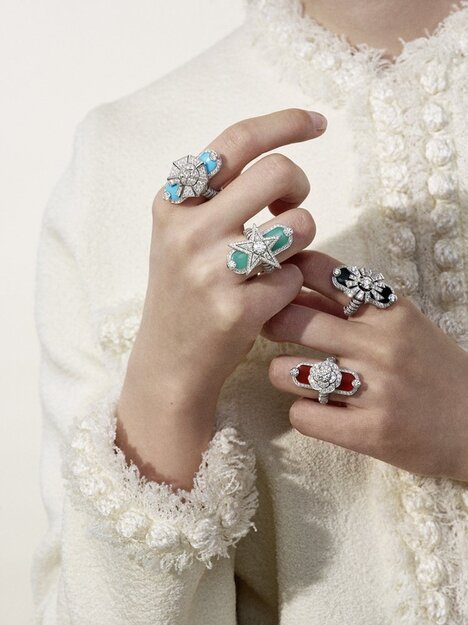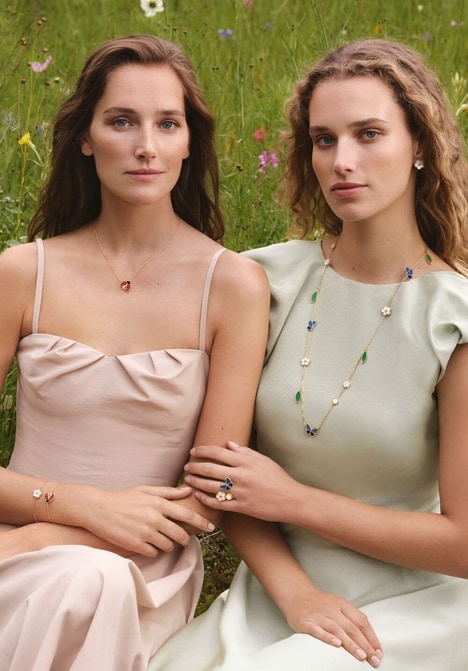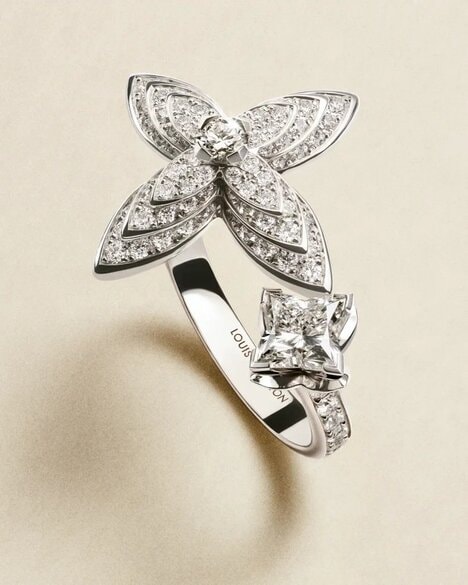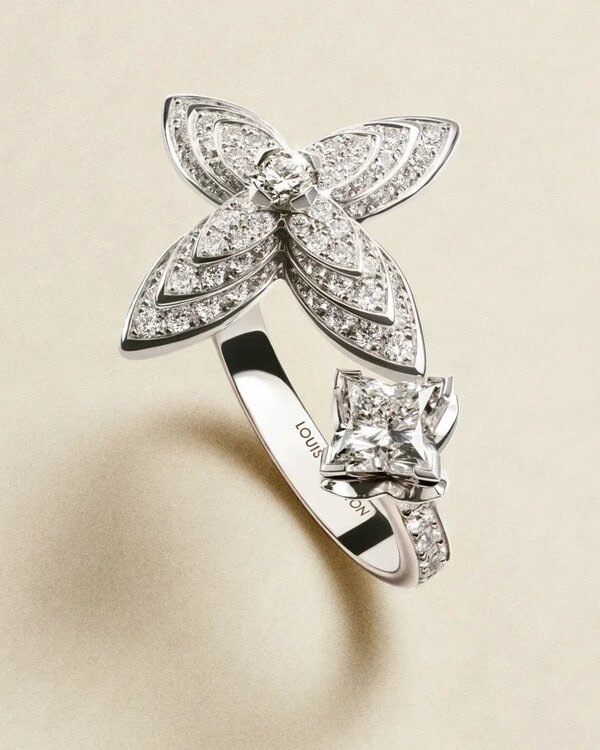
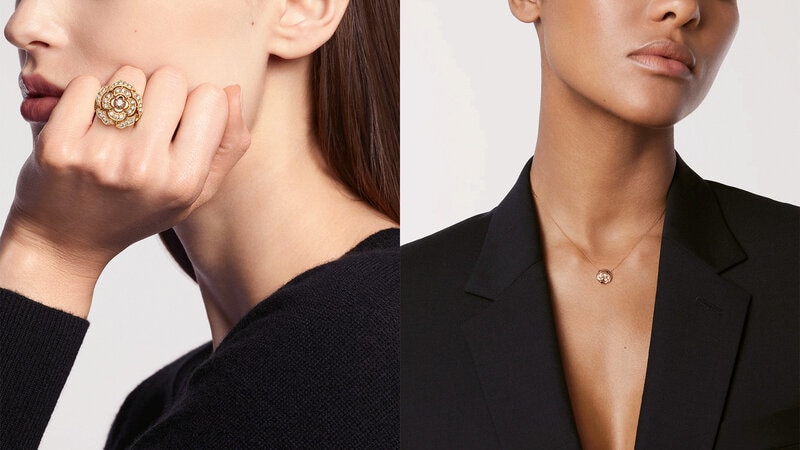
Some gifts are chosen to last well beyond the occasion, and Chanel is making that idea central to its Camélia Collection. The fine jewellery line takes inspiration from the camellia flower, one of the house's signature motifs, which Gabrielle Chanel was wearing as early as 1913.
The floral design runs throughout the collection, appearing in pieces such as the Extrait de Camélia Supple Bracelet and the Bouton de Camélia Ring. Whether worked into a bracelet or ring, the recognisable bud gives each piece a shared identity while keeping the designs distinct.
By returning to a motif with more than a century of history in the house, Chanel connects its current fine jewellery to Gabrielle Chanel's original style. The collection is presented as jewellery to treasure and pass down, making its heritage as much a part of the gift as the design itself.
Image Credit: Chanel
Why This Trend Is Growing
- Heirloom Motif Revival
- Luxury brands are transforming archival symbols into contemporary products that blend emotional permanence with recognizable design equity.
- Giftable Legacy Jewelry
- Fine jewelry collections centered on long-term keepsake value create space for premium gifting experiences tied to memory, status, and inheritance.
- Heritage-led Personalization
- Historic house codes are becoming flexible design systems that allow brands to refresh signature elements while preserving cultural continuity.
Industries Being Reshaped
- Fine Jewelry
- Established jewelers can differentiate through legacy-driven collections that pair craftsmanship with enduring symbols and intergenerational appeal.
- Luxury Fashion
- Fashion houses are extending brand heritage into adjacent categories where iconic motifs can become high-margin collectible assets.
- Premium Gifting
- The gifting market is shifting toward meaningful objects with provenance, opening opportunities for products that carry both occasion-based and heirloom value.