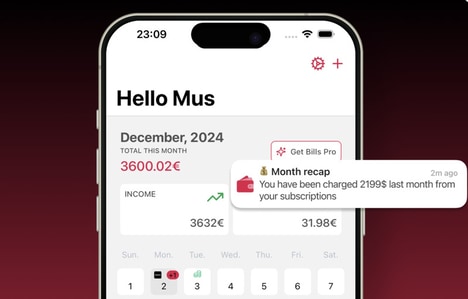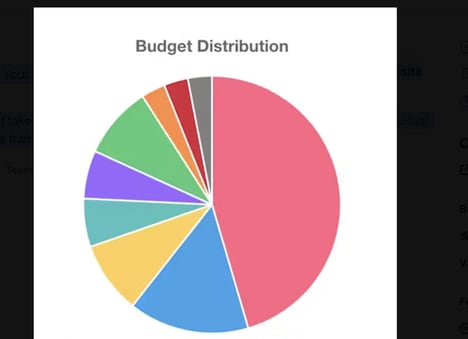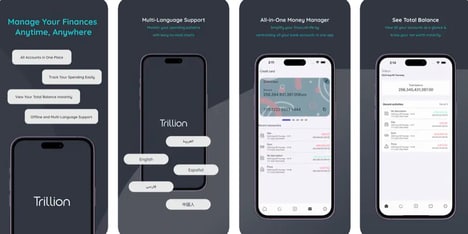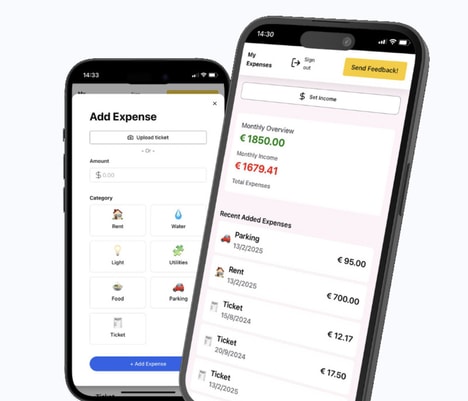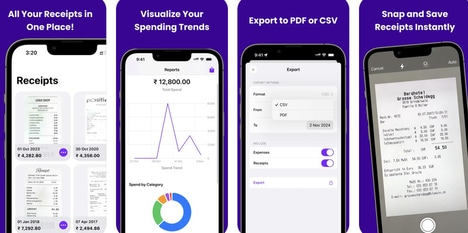
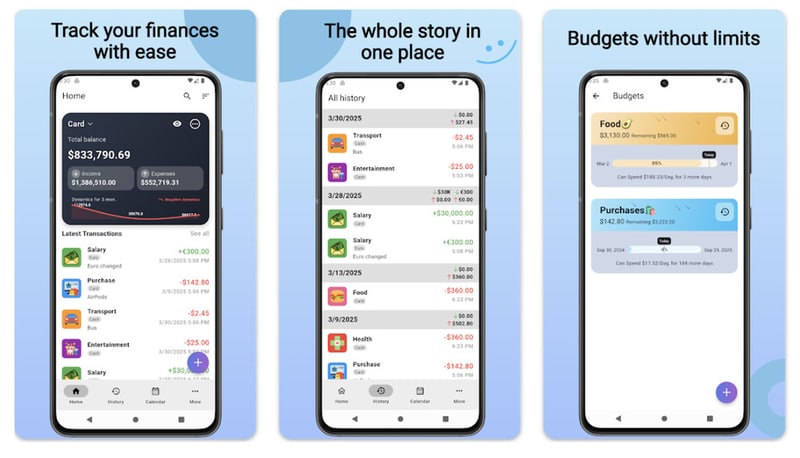
Finance:Budget Expense Tracker is a personal finance application designed to help users monitor spending, manage budgets, and organize recurring financial obligations in one centralized platform. By consolidating expenses, bills, and savings goals, the tool provides a structured overview of financial activity, allowing individuals to better understand cash flow and spending patterns.
Applications like this reflect a broader shift toward digital financial self-management, where automation and real-time tracking support informed decision-making. For professionals and business-minded users, consistent expense visibility can contribute to improved financial discipline and long-term planning. Budget tracking tools also help reduce manual recordkeeping, replacing spreadsheets or fragmented systems with a single interface. Finance:Budget Expense Tracker demonstrates how mobile finance solutions aim to simplify everyday money management while encouraging users to maintain awareness and control over their financial habits.
Image Credit: Finance:Budget Expense Tracker
What Makes This Trend Stand Out
- Real-time Expense Monitoring
- Continuous transaction syncing and instant categorization enable novel predictive insights into cash flow variability and short-term liquidity needs.
- Automated Recurring Payment Management
- Consolidation and scheduling of subscriptions and bills within a single interface create potential for proactive bill optimization and subscription bundling models.
- Personal Financial Data Consolidation
- Aggregating bank, credit, and bill data into unified dashboards opens pathways for personalized advisory services and hyper-targeted financial products.
Sectors Adopting This
- Personal Finance Apps
- Mobile-first budgeting platforms that emphasize automation can shift user expectations toward seamless, contextual money management experiences.
- Small Business Accounting Services
- Simplified expense tracking for sole proprietors and microbusinesses could reduce reliance on traditional bookkeeping and enable embedded financial planning features.
- Banking and Wealth Management
- Banks integrating real-time personal budgeting capabilities may reframe customer relationships around continuous financial health insights rather than episodic transactions.