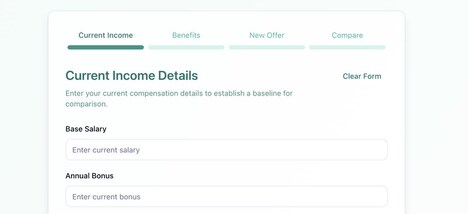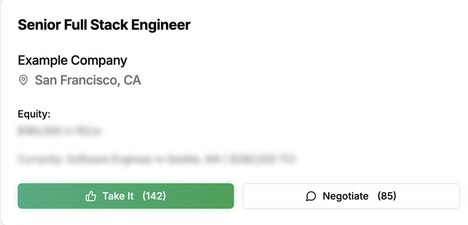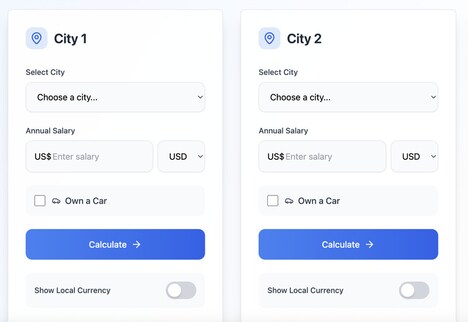
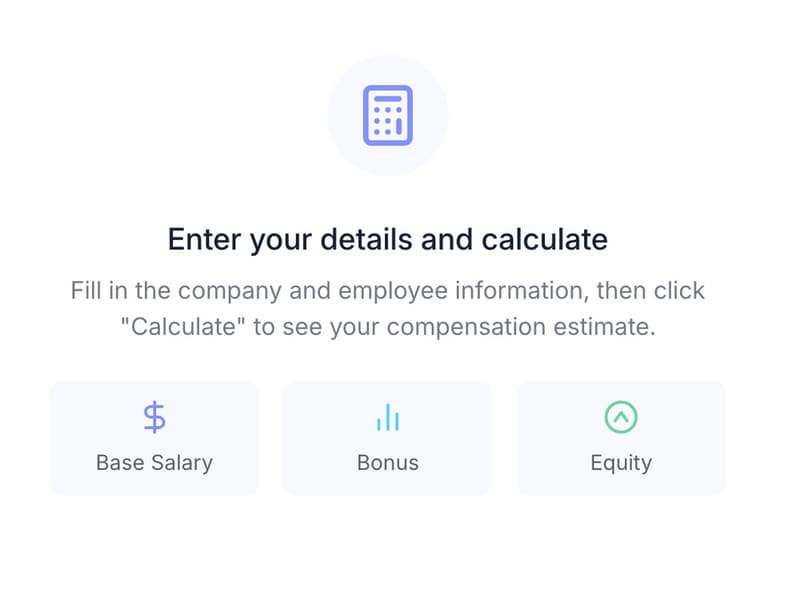
Fair Offer is a compensation analysis tool designed to estimate salary and benefits across roles, industries, and geographic locations. It uses an algorithmic approach to evaluate factors such as job title, experience level, company stage, and market conditions to generate compensation benchmarks.
The platform is intended for multiple stakeholders, including founders creating offers, HR teams building compensation frameworks, and employees assessing their market value or comparing opportunities. By standardizing compensation insights, it aims to reduce ambiguity in salary negotiations and decision-making. The tool is positioned within the broader category of data-driven HR technologies that support transparency and consistency in pay structures. Fair Offer reflects an increasing emphasis on market-aligned compensation strategies, particularly in competitive hiring environments where accurate benchmarking can influence talent acquisition, retention, and organizational planning.
Image Credit: Fair Offer
Why This Trend Is Growing
- Algorithmic Compensation Benchmarking
- Predictive algorithms that synthesize role, experience, and market data create standardized pay benchmarks that can upend traditional, manual salary research methods.
- Transparency Driven Pay Analysis
- Open access to compensation insights across roles and locations shifts power dynamics in negotiations and could erode asymmetric information between employers and candidates.
- Geographic and Market Adjusted Pay Modeling
- Localized cost-of-living and market-condition adjustments embedded in compensation models enable nuanced, location-aware offers that challenge one-size-fits-all salary bands.
Industries Being Reshaped
- Human Resources Technology
- Compensation analytics platforms integrated into HR tech stacks can transform compensation design, performance evaluation, and internal equity initiatives with data-driven rigor.
- Talent Acquisition and Recruitment
- Recruiters and staffing firms equipped with real-time benchmarking data are positioned to recalibrate sourcing strategies and candidate valuation in competitive hiring markets.
- Payroll and Benefits Administration
- Payroll systems augmented with dynamic benchmarking enable alignment of pay, benefits, and compliance across jurisdictions, presenting opportunities to rethink benefits packaging and cost allocation.