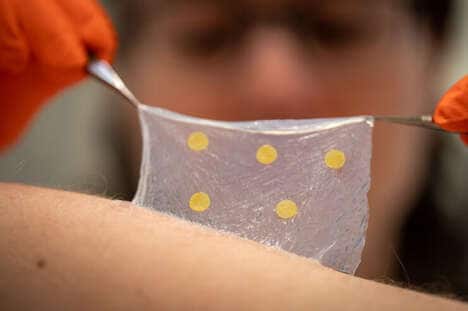
Johns Hopkins University has developed a new ebola suit following a weekend-long suit design brainstorming event back in October. This new prototype anti-contamination suit was put together by a team of engineers, medical experts, students and volunteers in collaboration with non-profit and other partners.
The suit is designed to be inexpensive to produce and effective against contamination while keeping the wearer cool. Crucially, the ebola suit has to be easy to remove with minimum contact between the wearer and the suit.
The suit's major safety feature is the fact that the inside of the suit is a distinctly different color from the outside in order to tell the wearer what areas of the suit are safe to touch when taking it off.
Key Themes Behind This Trend
- Inexpensive Anti-contamination Suits
- Opportunity to streamline production and distribution of affordable and effective anti-contamination suits.
- Color-coded Protective Wearables
- Disruptive innovation in developing color-coded protective wearables that provide intuitive cues for safe and effective use.
- Collaborative and Multidisciplinary Design
- Opportunity to leverage diverse expertise for collaborative and multidisciplinary design of innovative products like anti-contamination suits.
Where This Applies
- Healthcare and Life Sciences
- Opportunity for healthcare and life sciences to invest in advanced personal protective equipment such as ebola suits.
- Manufacturing
- Manufacturing companies can innovate to streamline ebola suit production and distribution.
- Non-profit and Social Enterprises
- Opportunity for non-profit and social enterprises to partner with designers and engineers to develop affordable and effective solutions for disease control and prevention.