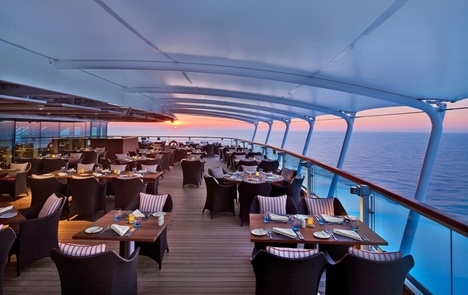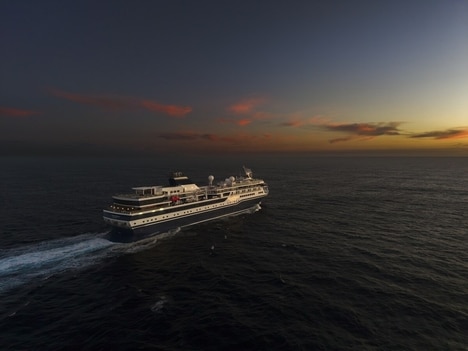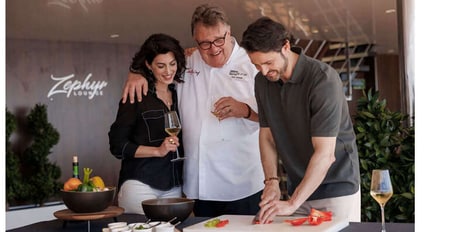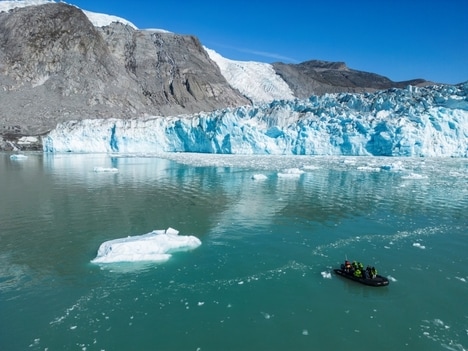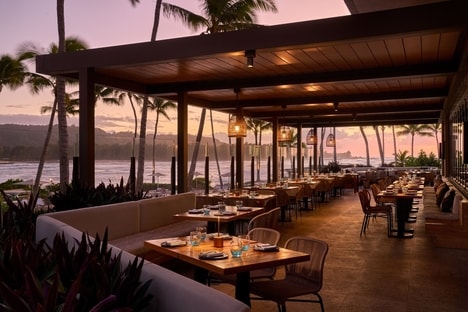
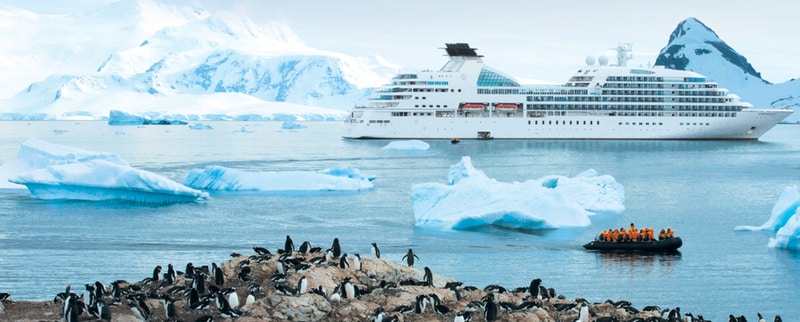
Destination-driven luxury dining reflects how cruise brands are transforming onboard meals into immersive travel experiences tied directly to regional culture and storytelling. Seabourn’s Alaska-focused culinary program integrates locally sourced seafood, Alaska-inspired cocktails, Indigenous artwork, and scenic dining moments to deepen travelers’ emotional connection to the destination. Rather than treating food as a secondary amenity, the cruise line positions dining as a central part of the voyage experience, blending hospitality, entertainment, and regional authenticity into a unified offering.
The business implications highlight how luxury travel brands can differentiate themselves through localized and experience-led programming. As travelers increasingly seek memorable, culturally connected vacations, companies can use destination-specific food, beverage, and entertainment concepts to justify premium pricing and increase guest engagement. The strategy also creates opportunities for partnerships with local suppliers, artists, and tourism organizations while strengthening brand identity in the competitive luxury cruise market.
Image Credit: Seabourn
What's Driving This Trend
- Destination-driven Dining
- Elevating onboard meals into curated regional narratives creates opportunities for immersive menu ecosystems that redefine guest expectations of travel cuisine.
- Immersive Culinary Storytelling
- Blending food, local art and scenic moments enables multi-sensory dining formats that can displace traditional restaurant models by selling narrative experiences rather than single meals.
- Local-supplier Integration
- Deep partnerships with regional fishermen, farmers, and artisans open possibilities for transparent provenance platforms and hyper-local supply chains that reshape sourcing and pricing dynamics.
Who This Affects Most
- Luxury Cruise
- Positioning dining as the centerpiece of the voyage allows cruise operators to differentiate premium packages through destination-authentic culinary programming that alters value propositions.
- Hospitality & Resorts
- Embedding culturally specific dining and entertainment within stays presents avenues for resorts to transform room-and-board models into experience-first offerings that command higher yields.
- Food & Beverage Supply Chains
- Demand for consistent, traceable regional ingredients from tourism operators creates room for specialized logistics and verification services that disrupt commodity distribution networks.