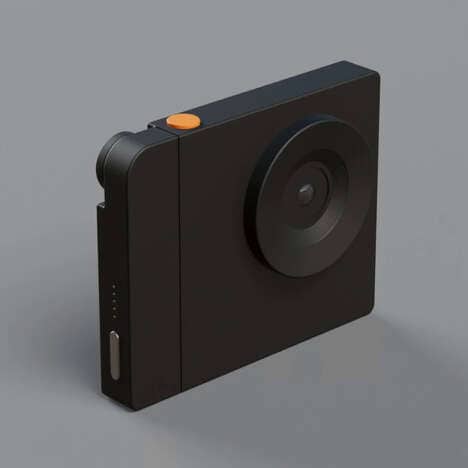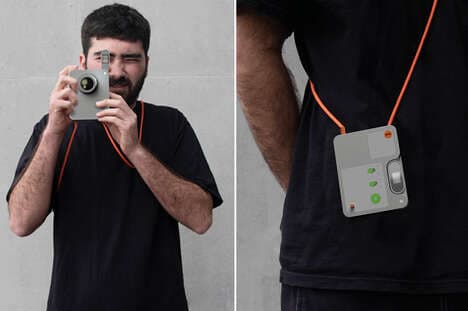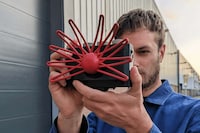

While they say a picture is worth 1000 words, the Descriptive Camera does the reverse and describes a picture with English text.
Designed by Matt Richardson, a student at New York University‘s Interactive Telecommunications Program, the camera spits out a textual description of the image captured, rather than a photograph. The device takes a photo in the same way that traditional cameras do, except that once the information is captured on the device, it is then sent off to a team on the Internet that can describe what is in the image.
Each explanation of the subject of a photo takes between three and six minutes to be returned and is then printed off on a slip of paper. It is made up of a USB webcam, thermal printer and a BeagleBone Linux board to connect to the Internet.
Key Themes Behind This Trend
- Visual-to-text Conversion
- Opportunity to develop innovative technologies that can convert visual information into textual descriptions.
- Internet-enabled Imaging Devices
- Potential for creating imaging devices that can connect to the internet to access additional information or services.
- Real-time Image Analysis
- Possibility to create systems that can analyze and interpret images in real time to generate meaningful descriptions.
Where This Applies
- Photography Equipment Manufacturing
- Disruptive potential lies in developing cameras or related equipment that offer real-time text-based image descriptions.
- Internet of Things (iot) Solutions
- Opportunity to integrate internet connectivity into everyday devices, such as cameras, for enhanced functionality.
- Artificial Intelligence (AI) Software Development
- Potential for AI technologies that can accurately analyze visuals and generate descriptive text in various applications.