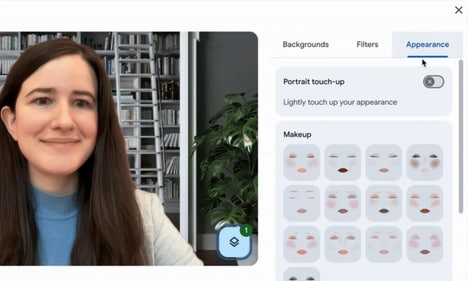

Zoom introduced a new deep-face-verification feature in partnership with World, Sam Altman’s identity company, designed to confirm that meeting participants are real people, featuring World ID Deep Face technology.
The system cross-references a registered Orb image, a device face scan and a live video frame, and displays a Verified Human badge when all three match. Hosts can require verification via a Deep Face waiting room, and participants may request on-the-spot confirmation during calls. The feature aims to curb AI-driven deepfake imposters that have enabled costly fraud by tying live presence to a prior, signed identity check.
For businesses that transact over video, the badge adds an explicit signal of authenticity and helps rebuild trust in remote interactions as synthetic media improves.
Image Credit: Zoom
What Makes This Trend Stand Out
- Deep-face Verification
- A convergence of biometric scans, device-linked images and live video frames that creates persistent, cryptographically-backed personhood signals for virtual interactions.
- Identity-linked Meeting Credentials
- Verified badges tied to prior identity checks that provide an explicit, machine-readable authenticity layer for participants in synchronous digital exchanges.
- Live Anti-deepfake Badging
- Real-time verification indicators that surface during calls to distinguish genuine human presence from AI-generated imposters as synthetic media becomes harder to detect.
Sectors Adopting This
- Financial Services
- Confidence in video-based KYC and high-value remote transactions is elevated by verifiable live identity signals, reducing fraud exposure tied to synthetic impersonation.
- Telehealth
- Patient-provider trust and regulatory compliance in remote care are strengthened when live biometric confirmation is available during virtual consultations.
- Online Education
- Assessment integrity and certification credibility benefit from on-call identity verification that ties learners’ live presence to authenticated identities.