London-based photographer Daniel Regan was in and out of mental health programs in the UK since he was an adolescent. His experience was marked by countless misdiagnoses, lack of funds and improper treatments. In fact, it took about a decade for Regan to receive an accurate diagnosis and an applicable treatment plan.
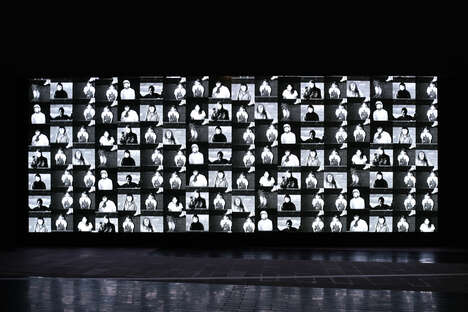
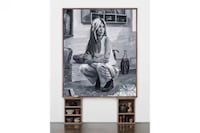
Somewhere along the way, Regan became inspired by the entire diagnostic process. As a result, he embarked on 'Fragmentary,' a photographic journey of self-portraits that seek to articulate Regan's experience with the mental health industry. The self-portraits are broken up by images of Regan's own medical records, which he had delivered to him in exchange for an undisclosed fee.
The project allows Regan to be vulnerable and forthcoming about his disorder, ultimately articulating a topic that has been historically muted.
Why This Trend Is Growing
- Mental Health Advocacy
- Daniel Regan's 'Fragmentary' project serves as a call for more advocacy on mental health issues.
- Innovative Art Therapy
- Regan's use of photography in expressing his mental illness opens doors for using the arts as a mode of therapy for those with similar conditions.
- Democratization of Medical Records
- Regan's use of his own medical records in his art project showcases the potential for patients to have more control and access to their own medical data.
Industries Being Reshaped
- Mental Health Care
- There is an opportunity for mental health providers to explore more creative forms of therapy, like art and photography.
- Healthcaretech
- More medical technology can be developed to make it easier for patients to access and manage their own medical records.
- Art and Photography
- Regan's 'Fragmentary' project highlights how the fields of art and photography can serve as powerful mediums for advocacy and self-expression.