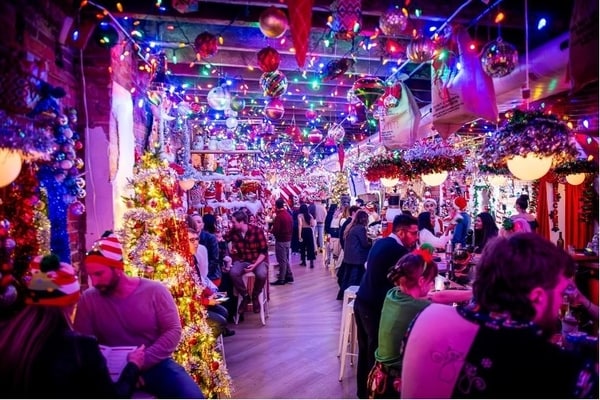
The Lost Estate launched Chat Noir, an immersive dining and cabaret experience that transports London audiences to Montmartre in 1896, featuring period-driven drinks and theatrical performances. The show staged Rodolphe Salis as a central character and used historical plausibility to shape its beverage program.
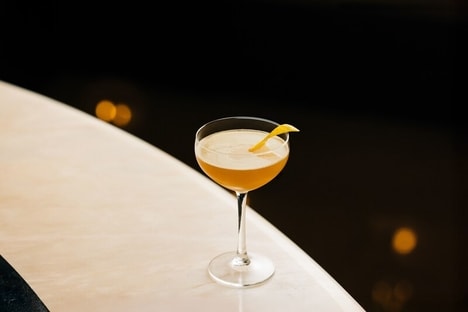
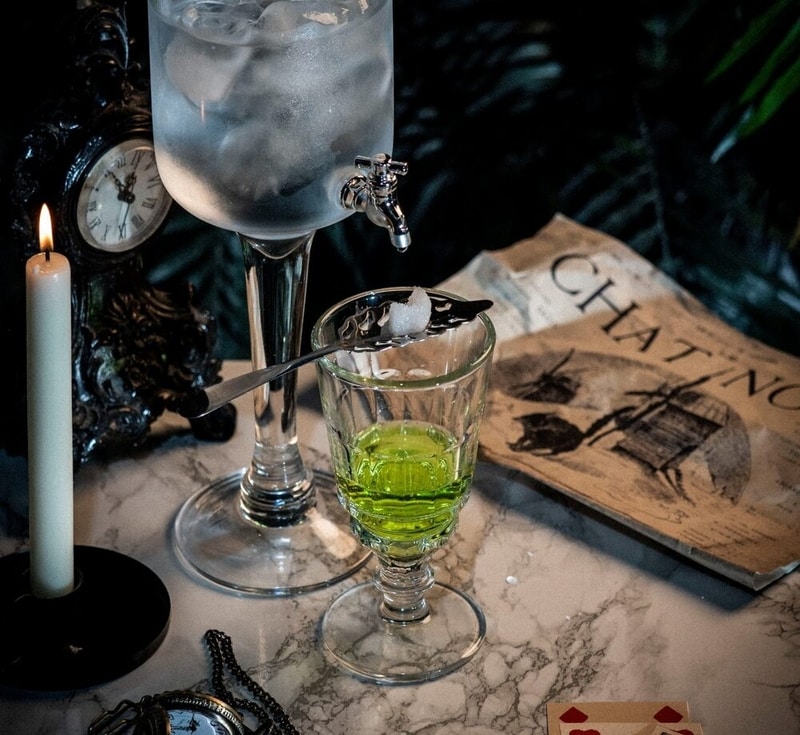
Creative director Rowan Bell said the cocktail list was built from spirits and formats that existed in Belle Époque Paris, with vermouths, quinquinas, absinthe and revived recipes such as an 11-ingredient Corpse Reviver. The menu also included a chilled hypocras welcome drink, Parisian variants of classics (a Crusta with anisette) and a curated wine selection served in period formats.
Performances spill into the audience with magicians, dancers and roaming musicians while Champagne partner Piper-Heidsieck and absinthe fountains amplify the sensory setting. For consumers, Chat Noir pairs theatrical storytelling with historically grounded hospitality, letting guests taste reconstructed 1890s flavors while experiencing a living cultural moment.
Image Credit: The Lost Estate
Why This Trend Is Growing
- Heritage Mixology Revival
- Reconstruction of 19th-century recipes and formats is creating demand for revived ingredients and archival cocktail programs that can differentiate beverage offerings.
- Immersive Theatrical Dining
- Dining experiences that integrate actors, music and interactive performance are evolving into multi-sensory products that command premium pricing and extended dwell time.
- Period-branded Alcohol Partnerships
- Collaborations between events and legacy spirit houses for themed activations are enabling limited-edition bottlings and co-branded experiences tied to historical narratives.
Industries Being Reshaped
- Hospitality
- Restaurants and bars are shifting toward theatrical, history-driven formats that transform service into curated cultural experiences with higher per-guest revenue potential.
- Beverage Production
- Distillers and vermouth producers are encountering opportunities to recreate obsolete formulations and small-batch revivals that appeal to connoisseurs and collectors.
- Events and Entertainment
- Producers of live entertainment are expanding into ticketed dining spectacles where storytelling and sensory design become primary drivers of attendance and brand differentiation.