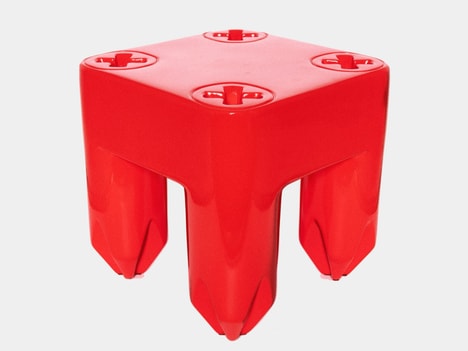
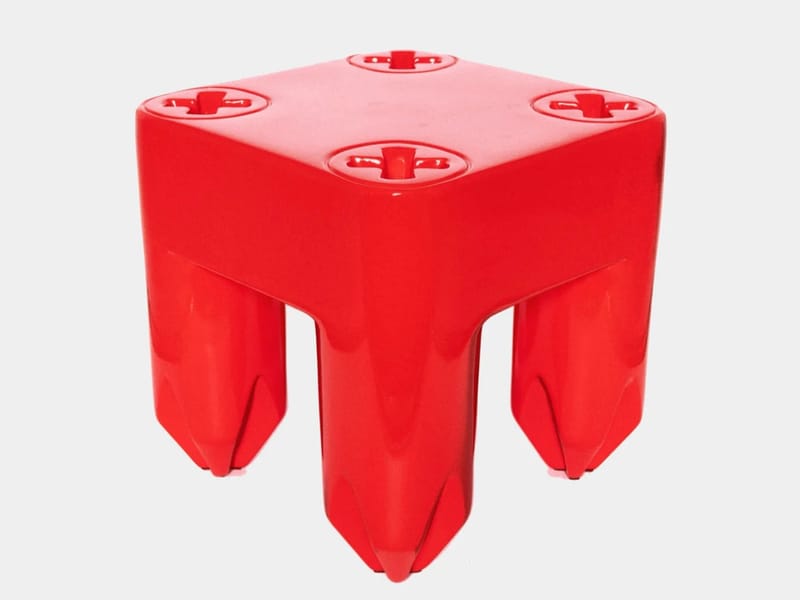
Carpet Company introduced the S-TOOL, a 12-by-12-by-12-inch fiberglass cube designed to function as a stool, ottoman or decorative object, featuring molded screw-head reliefs and legs shaped like Phillips drivers. The piece was cast in a single gloss color and finished with a metal plaque under each unit, detailing its edition number.
The launch comprised 150 stools across 30 colors, five of each, packaged with color-coded screw illustrations and playful branding that frames the item as both furniture and collectible. Carpet Company emphasized proportion and finish, pairing a hardwearing, 15-pound build with a candy-like surface to balance craft and irreverence.
For consumers, the S-TOOL turns everyday seating into a limited-edition drop, appealing to collectors and design-minded buyers who value finite runs and playful, design-forward home objects.
Image Credit: Carpet Company
What Makes This Trend Stand Out
- Limited-edition Functional Art
- Scarcity-driven furniture releases that blur utility and collectible value create openings for design-led products sold as finite art editions.
- Material Playfulness in Furniture
- Unexpected uses of industrial materials and candy-like finishes signal room for innovation in tactile, durable pieces that subvert conventional domestic aesthetics.
- Collectible Packaging and Branding
- Color-coded, edition-marked packaging and playful identity treatments point to new possibilities for products that extend their collectibility through unboxing and brand storytelling.
Sectors Adopting This
- Home Furnishings
- Design-forward seating that emphasizes proportion, finish, and limited runs could reshape premium home-decor offerings toward collectible micro-collections.
- Consumer Collectibles
- Objects positioned between decor and art suggest formats for collectible markets that combine editioning, provenance markers, and playful design language.
- Manufacturing and Materials
- Advances in single-cast production and surface treatments for robust, glossy finishes reveal opportunities to industrialize small-batch, high-design objects.