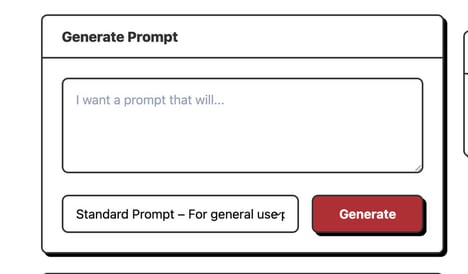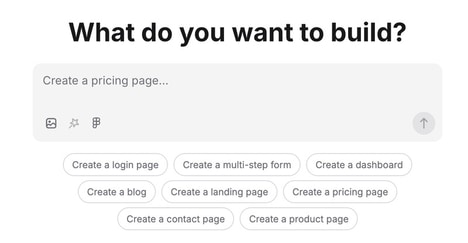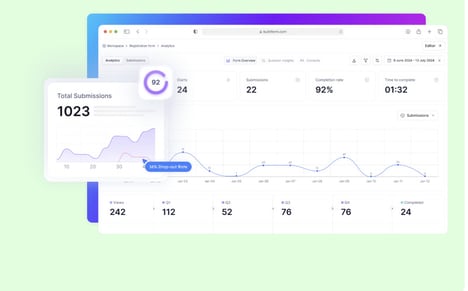
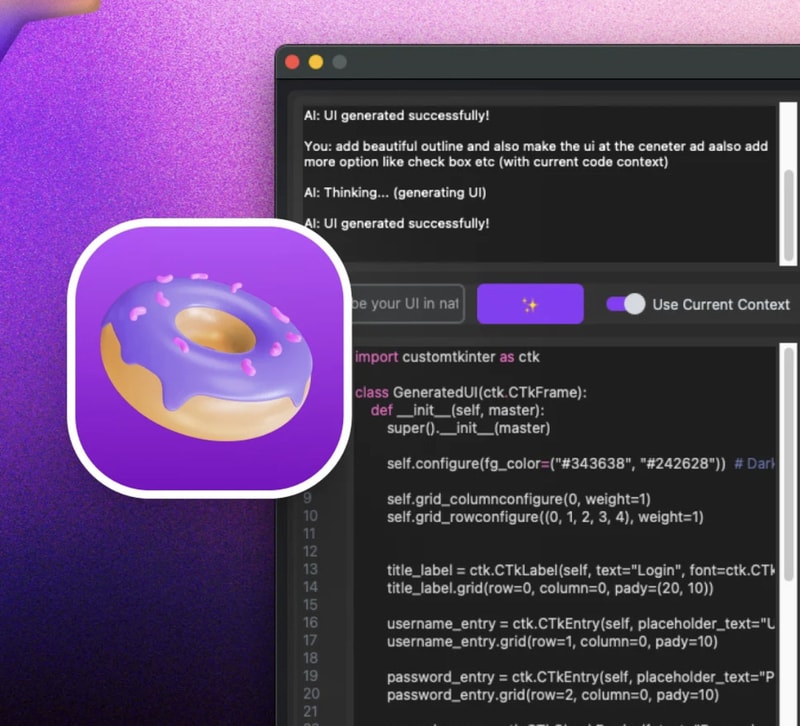
Buildfy AI is a development tool designed to streamline the creation of Python graphical user interfaces (GUIs). It allows users to generate GUI layouts using natural language prompts, translating text-based instructions into functional interface components.
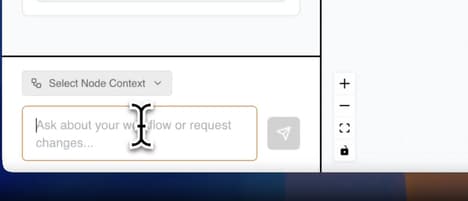
The platform is built on CustomTkinter and includes features such as live previews, context-aware editing, and code export, enabling developers to iterate quickly and visualize changes in real time. From a business and technical perspective, Buildfy AI demonstrates the integration of AI into software development workflows, reducing manual coding time while maintaining flexibility and customization. It can be particularly useful for Python developers, educators, and product teams seeking to accelerate prototyping, standardize UI design, and improve collaboration between design and development phases without extensive front-end coding expertise.
Image Credit: Buildfy AI
Key Themes Behind This Trend
- Natural-language Interface Design
- A move toward translating conversational prompts into GUI layouts that can shorten design cycles and reshape how nontechnical stakeholders specify interfaces.
- AI-assisted Rapid Prototyping
- The use of generative models for instant live previews and context-aware edits that can compress iteration loops from days to minutes for product teams.
- Low-code Python UI Ecosystems
- The emergence of tooling built on familiar Python frameworks that can lower the barrier for building custom desktop apps while preserving extensibility.
Where This Applies
- Software Development Platforms
- Platform providers integrating natural-language GUI generation could redefine developer tooling by blending code exportability with automated UI composition.
- Edtech and Coding Education
- Educational products leveraging prompt-driven GUI builders can make interface development concepts more accessible to learners with diverse technical backgrounds.
- Product Design and UX Agencies
- Design studios adopting AI-powered prototyping could accelerate client feedback cycles by producing tangible, editable interface artifacts from verbal requirements.