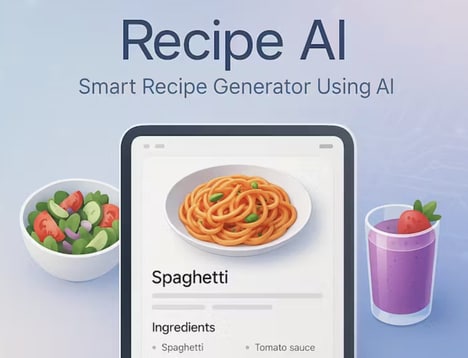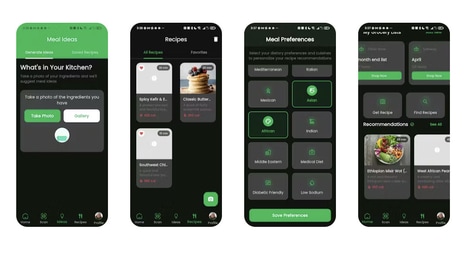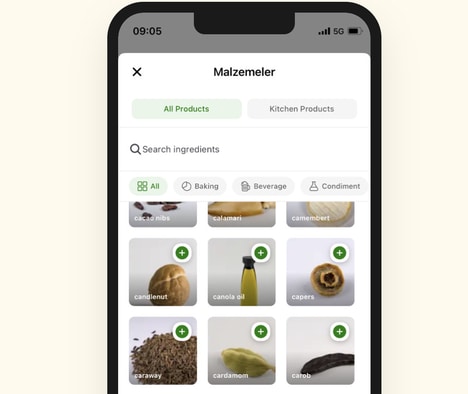

Assistant Gusto operates within the cooking assistance and AI lifestyle space, focusing on helping users navigate recipes and kitchen challenges in real time. It acts as a conversational cooking companion that guides users through meal preparation step by step, offering support when mistakes happen or uncertainty arises during cooking.
Users can ask questions mid-recipe, adjust instructions, or get clarification on techniques without stopping the cooking process. The experience is positioned as a practical kitchen helper for both everyday meals and special occasions, where timing and accuracy matter. It blends instructional guidance with interactive feedback, making cooking feel more supported and less rigid. Instead of relying solely on static recipes, users engage with a responsive assistant that adapts to their situation in the moment. By combining culinary knowledge with conversational AI, Assistant Gusto turns the kitchen into a more guided and interactive environment.
Image Credit: Assistant Gusto
Key Themes Behind This Trend
- Conversational Cooking AI
- Personalized voice-and-text assistants that interpret user intent and kitchen context to provide adaptive, stepwise culinary guidance and error recovery for home cooks.
- Real-time Recipe Adaptation
- Dynamic recipe engines that modify ingredients, timings, and techniques on the fly based on available tools, user skill, and mid-course deviations to preserve meal outcomes.
- Interactive Kitchen Guidance
- Context-aware feedback systems combining sensor data and dialogue to monitor progress, detect mistakes, and offer multimodal corrective cues during cooking.
Where This Applies
- Consumer Kitchen Appliances
- Smart cookware and appliances embedding conversational AI and sensors to autonomously adjust settings and coordinate with recipe assistants, redefining appliance value toward service-centric models.
- Food Delivery and Meal Kits
- Meal providers integrating adaptive instructions and AI troubleshooting into kits and apps to reduce waste and increase success rates for complex or novice-prepared meals.
- Culinary Education and Media
- Online cooking platforms and content producers leveraging interactive AI tutors to deliver personalized, practice-oriented lessons that shift learning from passive consumption to guided execution.