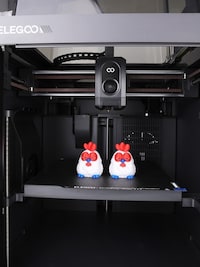

3D Printing Elves is a Fresno-based nonprofit that produces free, desktop 3D-printed toys for children, featuring colorful articulated designs meant to serve as sensory and play items. The organization was founded by Vincent and Allyson Wall and scaled through volunteer-run desktop printers to supply schools, shelters and foster programs.
A teacher’s TikTok post that highlighted a donation of more than 440 fidget toys sparked a surge in requests, and by February 23, 2026 the group had received over 50,000 submissions. Volunteers print dragons, dinosaurs, cars and other articulated models using PLA filament; each part can take about 90 minutes to produce and costs a few dollars in materials.
The rapid demand forced the nonprofit to prioritize deliveries to Fresno and Madera counties first, illustrating how viral exposure can strain grassroots production models. For educators and caregivers, the project demonstrates a scalable local approach to supplying low-cost sensory tools while spotlighting community-driven additive manufacturing.
Image Credit: 3D Printing Elves
Key Themes Behind This Trend
- Community-driven Additive Manufacturing
- A distributed volunteer network of desktop printers demonstrates a new production model that can decentralize small-batch manufacturing and shorten supply chains for niche goods.
- Viral Social Amplification
- Sudden demand spikes from a single viral post reveal how social platforms can rapidly scale needs and expose capacity limits in grassroots production systems.
- Low-cost Sensory Toy Design
- Accessible PLA-based articulated designs point toward affordable, customizable sensory products that can be tailored to individual therapeutic and educational requirements.
Where This Applies
- Education and Special-needs Services
- Schools and therapists could integrate on-site additive manufacturing as a means to supply tailored sensory aids and manipulatives that support diverse learning needs.
- Nonprofit Distribution Networks
- Volunteer-run gifting programs highlight opportunities for streamlined logistics platforms that match donated production capacity with local demand hotspots.
- Local Manufacturing and Makerspaces
- Community makerspaces acting as microfactories suggest a shift toward neighborhood-level production hubs that lower unit costs and enable rapid prototyping for social goods.