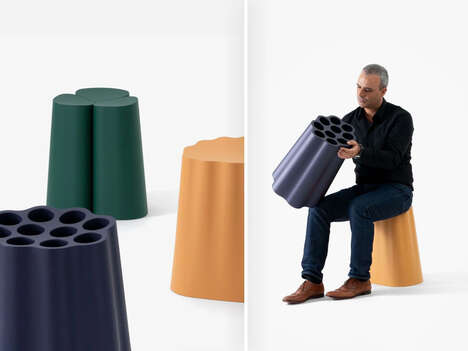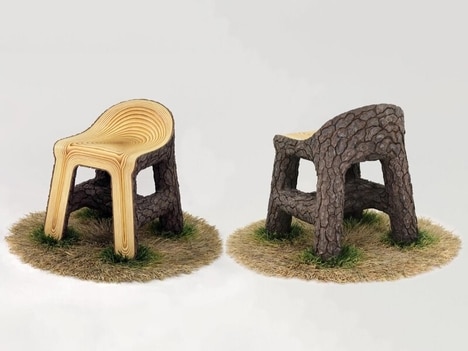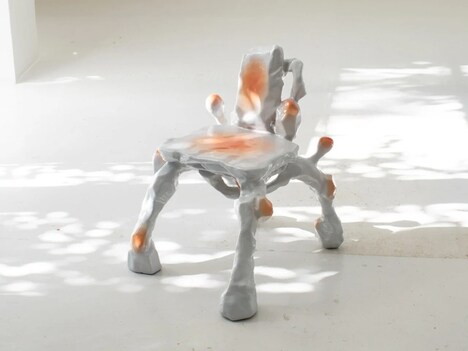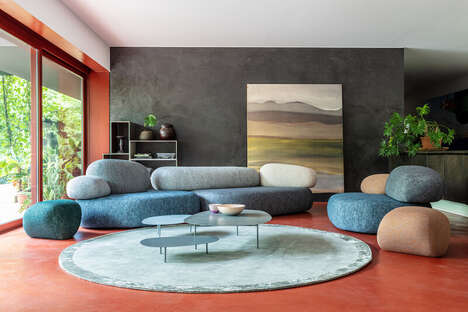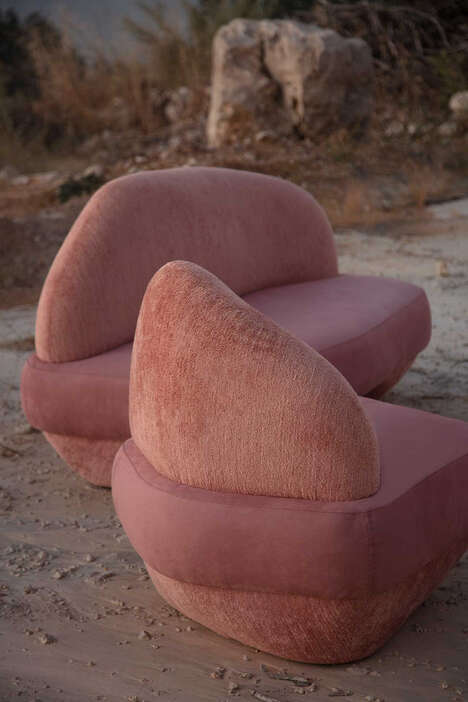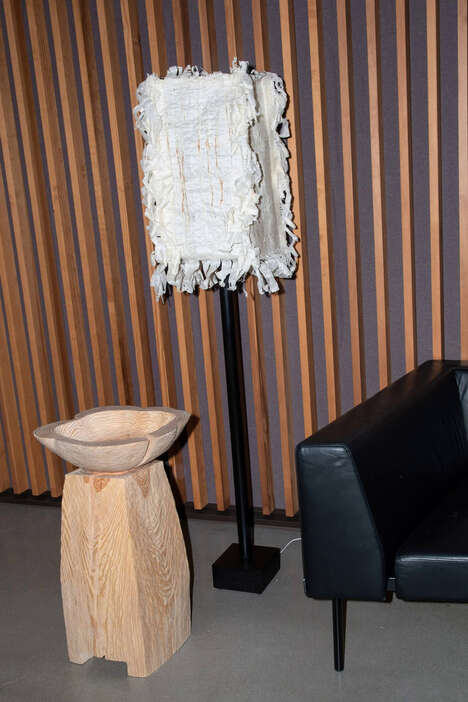
Designs that build on what nature has provided - these pieces are less about reshaping wood and more about celebrating it as a "found object". They respect the wood by featuring natural form as a major design element - man embraces nature. In each case, the human hand carefully sculpts, assembles or highlights. In a new twist on modern, minimalisim is applied to intervention instead of form.
Implications - With technology advancing at a rapid pace and overwhelming the general population, consumers are turning to organic products to provide them with a sense of familiarity. Corporations may capitalize on this emerging pattern by crafting products with nature-based design elements to counteract the technological aesthetics that currently overrun the marketplace.
What's Driving This Trend
- Nature-based Design
- Explore the use of natural elements in design to provide consumers with a sense of familiarity and connection to nature.
- Minimalist Intervention
- Apply minimalism not just to form, but also as a way to intervene with natural materials and showcase their inherent beauty.
- Embracing Organic Products
- Respond to the consumer demand for organic and nature-inspired products as a counterbalance to technology-driven aesthetics.
Who This Affects Most
- Furniture Design
- Incorporate nature-based design elements in furniture to create unique and visually appealing pieces.
- Interior Design
- Integrate natural elements into interior design concepts to create spaces that evoke a sense of connection to the natural world.
- Consumer Electronics
- Explore ways to infuse nature-inspired design elements into consumer electronic products to provide a more organic and soothing user experience.