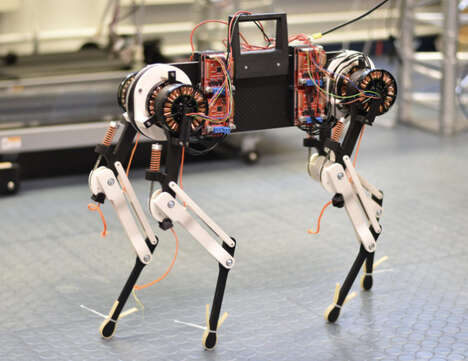
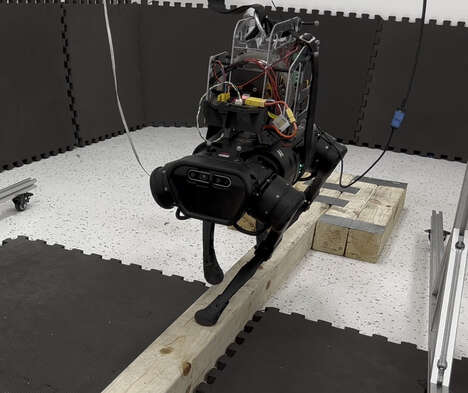
Robotic designer Sangbae Kim, a professor at the Massachusetts Institute of Technology, Biomimetic Robotics Lab has undertaken an ambitious project: Building a lightweight carbon-fiber-foam composite robotic cheetah able to run at a real-life cheetah’s speed of 35 miles per hour.
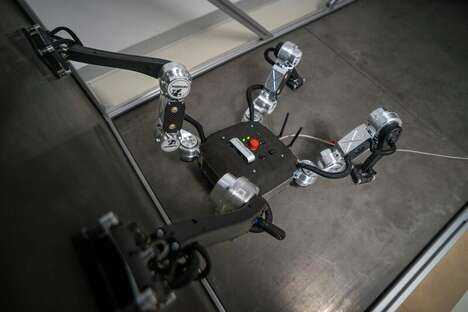
If Kim can conquer the design and stability challenges using the cheetah as a model for a robot with an extremely flexible backbone to provide extra speed or force to its running motion, he will make robotic history. A previous project that Kim completed while at Stanford--a wall-climbing Stickybot that has foot pads based on a gecko’s feet--is shown in the video above.
What Makes This Trend Stand Out
- Biomimetic Robotics
- Creating robots that mimic the characteristics and movement of animals, such as a robotic cheetah, opens up opportunities for more efficient and agile machines.
- Lightweight Composite Materials
- Developing carbon-fiber-foam composites for robotic designs allows for faster and more durable robots, enabling new applications in various industries.
- Flexible Backbone Technology
- Designing robots with extremely flexible backbones, inspired by the cheetah's running motion, can lead to breakthroughs in speed and force capabilities for robotics.
Sectors Adopting This
- Robotics
- The field of robotics can benefit from implementing animal-inspired designs to create faster, more agile and efficient machines.
- Materials Science
- The development of lightweight carbon-fiber-foam composites for robotic applications presents new opportunities in materials science research and manufacturing.
- Transportation
- The use of flexible backbone technology in robotics can have disruptive innovation potential for the transportation industry by enabling faster and more efficient modes of transportation.