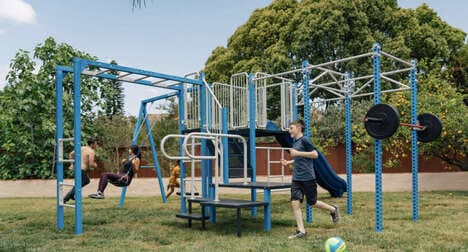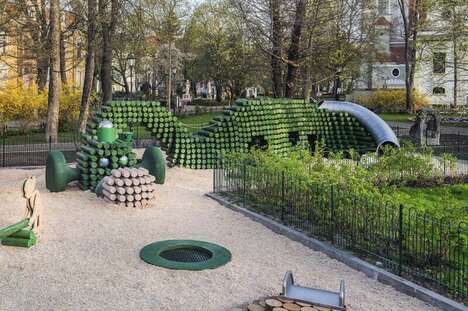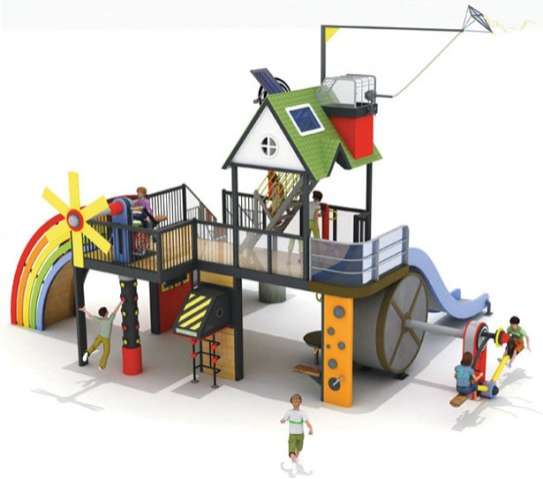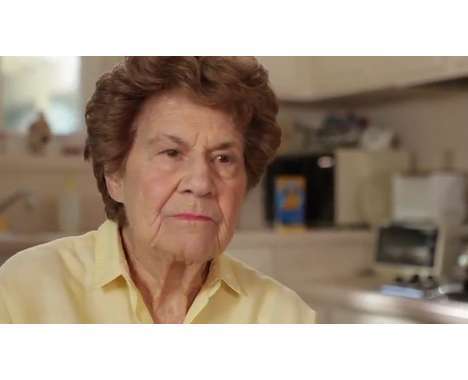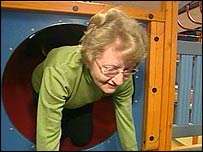
Termed 'three-generational play', researchers in Finland have found that the elderly benefit from play normally thought to be strictly for children. Elderly-only playgrounds are being built and Germany is considering a model based on Finland's lead.
Boredom and lack of body-confidence are just two of the issues that are successfully being addressed through active play. Improvements, during a three-month period of using a variety of swings and climing apparatuses, included better balance, coordination and speed.
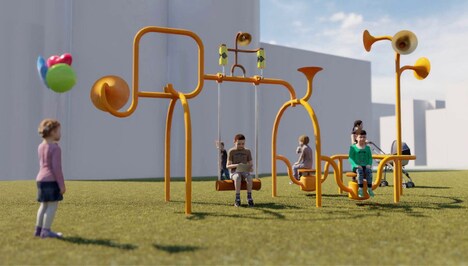
Elderly-specific playground equipment is being specially designed to accomodate the needs of seniors and to ensure safety.
What Makes This Trend Stand Out
- Elderly-specific Playgrounds
- Designing playgrounds specifically for the elderly can address issues of boredom and physical confidence, while improving balance, coordination, and speed.
- Three-generational Play
- The concept of three-generational play, where children and elderly individuals engage in play together, can foster intergenerational connections and promote physical and cognitive well-being for all involved.
- Active Play for Seniors
- Promoting active play among seniors through playground equipment can provide physical, mental, and emotional health benefits.
Sectors Adopting This
- Recreation and Leisure
- The recreation and leisure industry can explore the development of specific playground equipment and spaces for the elderly to cater to their unique needs and enhance their overall experience.
- Geriatric Care
- The geriatric care industry can incorporate elderly-specific playgrounds as part of their facilities and programs to promote physical activity and well-being among their residents.
- Urban Planning
- Urban planners can integrate elderly-specific playgrounds into public spaces to enhance community well-being and create inclusive environments for individuals of all ages.