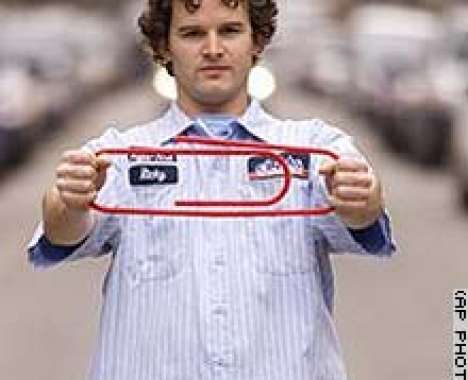
Taking a paper clip and turning it into a house sounds like a cheesy magic trick or a phony instance of resourcefulness on the 1980s TV show "MacGyver."
Kyle MacDonald, however, has pulled it off.
One year ago, the 26-year-old blogger from Montreal set out to barter one red paper clip for something and that thing for something else, over and over again until he had a house.
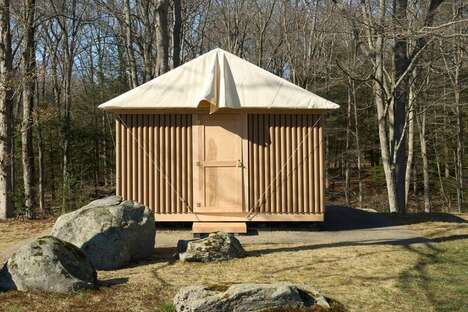
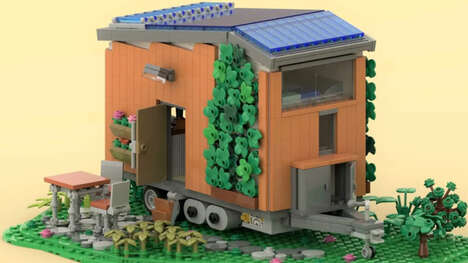
On Wednesday the quest is ending as envisioned: MacDonald is due to become the proud owner of a three-bedroom, 1,100-square-foot home provided by the town of Kipling, Saskatchewan. MacDonald and his girlfriend, Dominique Dupuis, expect to move there in early September.
What's Driving This Trend
- Bartering Economy
- The trend of bartering items for goods or services instead of traditional currency can offer disruptive innovation opportunities for peer-to-peer marketplaces and digital communities.
- Creative Resourcefulness
- The trend of finding new and innovative ways to use everyday items can offer disruptive innovation opportunities for sustainability-focused industries and makerspaces.
- Online Challenges
- The trend of online challenges that encourage participants to achieve a goal can offer disruptive innovation opportunities for companies looking to engage with social media-savvy audiences.
Who This Affects Most
- Peer-to-peer Marketplaces
- The trend of bartering can be leveraged in peer-to-peer marketplaces such as Craiglist or Facebook Marketplace, providing more choices for buying and selling goods and services.
- Sustainability-focused Industries
- The trend of creative resourcefulness can be applied to sustainability-focused industries such as eco-friendly packaging, waste reduction, and upcycling, leading to more innovative and environmentally-friendly products and practices.
- Social Media Companies
- The trend of online challenges can be leveraged by social media companies to increase engagement and participation on their platforms and attract a wider audience.