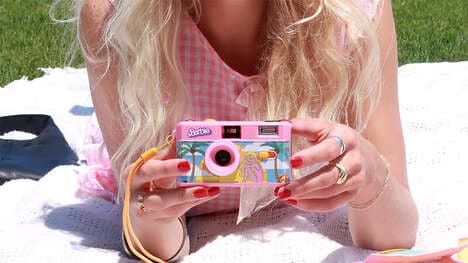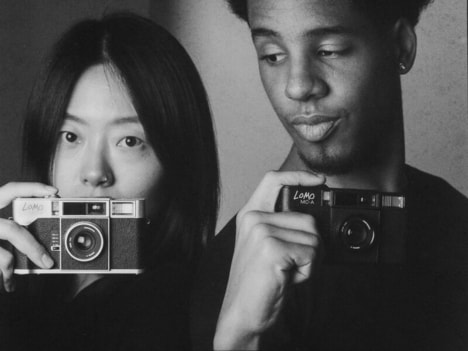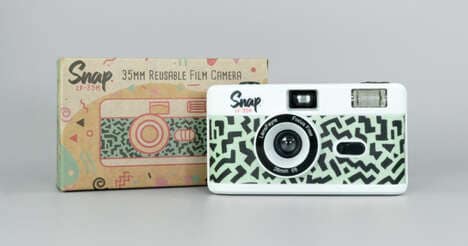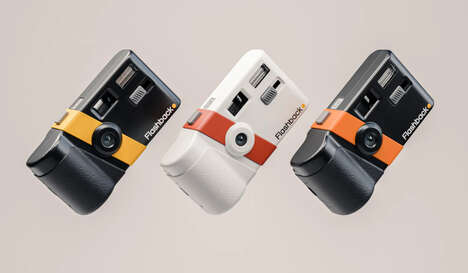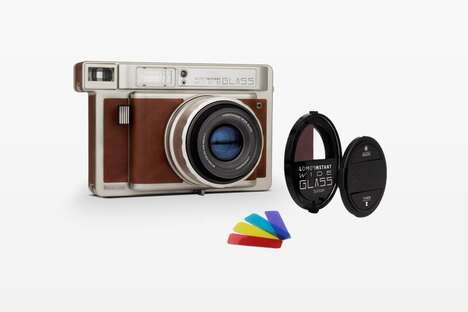
The Diana Camera was originally produced in the 60s at the Great Wall Plastics Factory. As technology of the future improved, it soon became a thing for garage sale bins or free giveaway piles. Now that everything old is new again, Lomo is reissuing the camera for a limited time.
Implications - The Diana 120 Camera is made out of plastic and used to sell for just one dollar! The camera eventually became a unique tool for avant-garde artists and lo-fi photographers who called work with the camera Lomography. The images produced by the camera are often what Lomo calls "dreamy, color-drenched and sometimes blurry." You never know just what you're going to get!
Key Themes Behind This Trend
- Retro Revival
- The reissuing of vintage products, like the Lomo Vintage Diana+120 Camera, taps into the nostalgia trend and appeals to consumers looking for unique and sentimental items.
- Lo-fi Photography
- The popularity of Lomography and the unique aesthetic of the Diana Camera's dreamy and blurry images suggest an increased interest in lo-fi photography, creating opportunities for camera manufacturers and photography apps to cater to this trend.
- Limited Edition Collectibles
- The limited-time reissuing of the Diana Camera creates a sense of exclusivity and collectibility, catering to the growing market of collectors and enthusiasts seeking unique and rare items.
Where This Applies
- Camera Manufacturing
- Camera manufacturers can explore the production of retro-style cameras to tap into the demand for vintage aesthetics and capitalize on the nostalgia trend.
- Photography Apps
- Developers of photography apps can create filters and effects that mimic the dreamy and blurry aesthetic of lo-fi photography, providing users with tools to achieve similar looks.
- Collectibles Market
- The limited-time reissuing of vintage products like the Diana Camera creates opportunities in the collectibles market, where collectors can buy and trade sought-after items for profit or personal enjoyment.