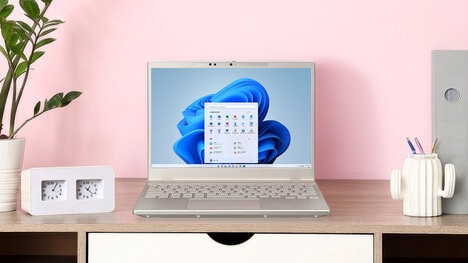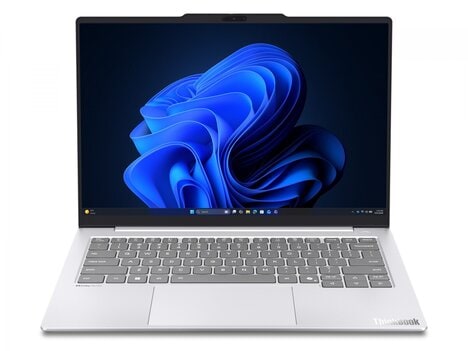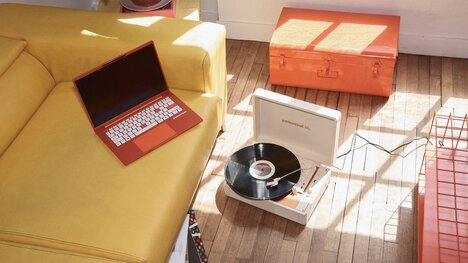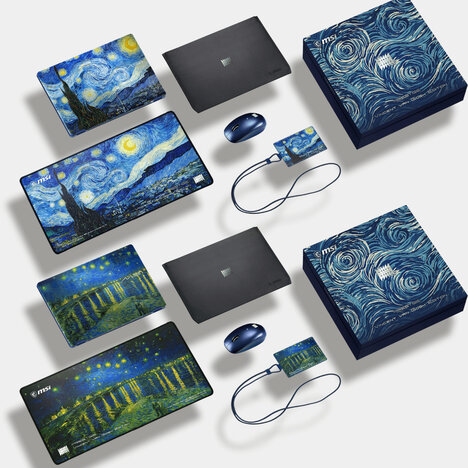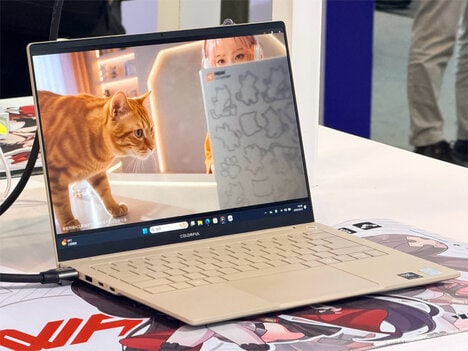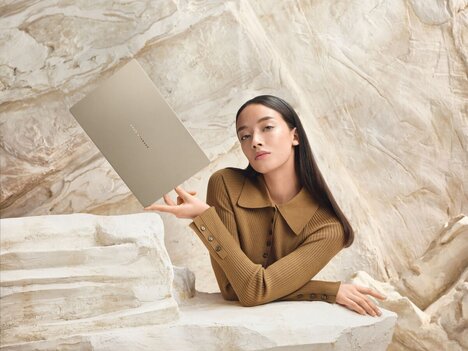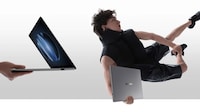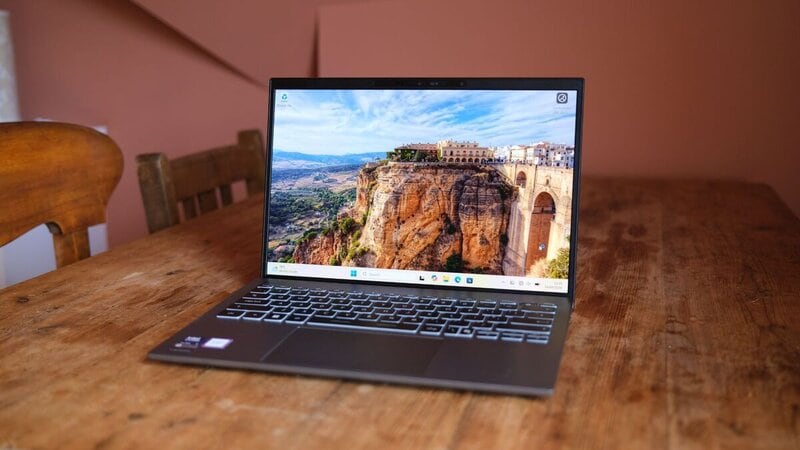
MSI's Prestige 13 AI+ trims a Windows work laptop into a carry-anywhere machine without giving up a polished screen. It pairs a 2.8K 13.3-inch OLED display with enough performance for everyday productivity, so the laptop is built for long stretches of work rather than desk-bound bulk.
At 899g, it stays easy to slip into a bag, and the magnesium-aluminium body gives it a more refined feel than a plain plastic shell. The hinge also lifts the chassis slightly when open, a small touch that can help airflow and typing comfort without adding clutter.
For shoppers, this means a premium Windows laptop that favors portability and battery-friendly daily use over gaming muscle. Buyers who want a slim notebook for work, travel and meetings get a focused option, while anyone chasing heavy graphics power will need to look elsewhere.
Image Credit: MSI
Why This Trend Is Growing
- Ultra-light Workstations
- Sub-kilogram productivity laptops create room for premium mobile computing products that serve hybrid workers without the bulk of traditional business machines.
- OLED Productivity Displays
- High-resolution OLED screens in compact laptops signal opportunities for visual comfort, sharper presentation workflows and elevated everyday work experiences.
- Travel-first Computing
- Battery-conscious performance and refined materials are reshaping business laptops around mobility, meeting-heavy schedules and all-day professional use.
Industries Being Reshaped
- Consumer Electronics
- Slim premium notebooks highlight demand for differentiated hardware that blends portability, durability and display quality in mainstream productivity devices.
- Business Travel
- Lightweight laptops support a growing ecosystem of travel-ready tools for professionals who need reliable computing across airports, hotels and client sites.
- Enterprise Technology
- Portable Windows devices with efficient performance open possibilities for fleet upgrades that prioritize employee flexibility, device longevity and hybrid-work readiness.