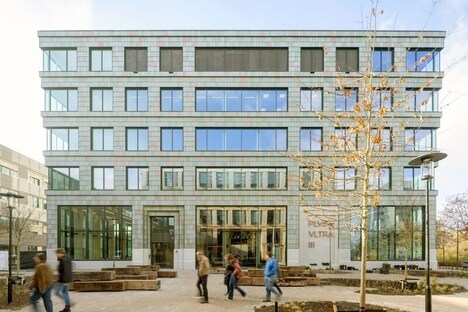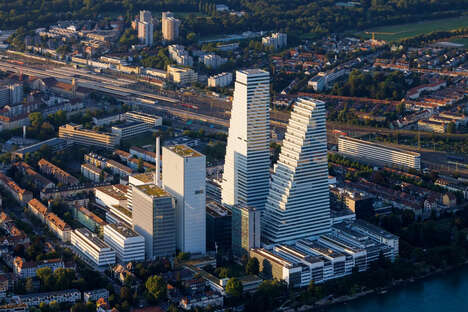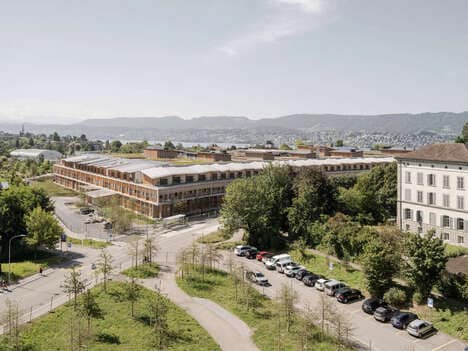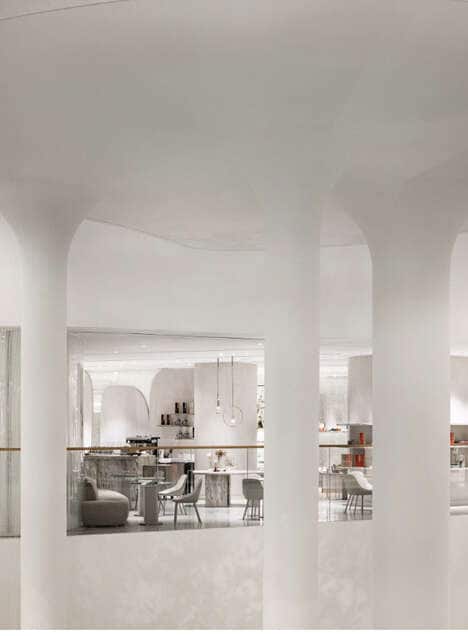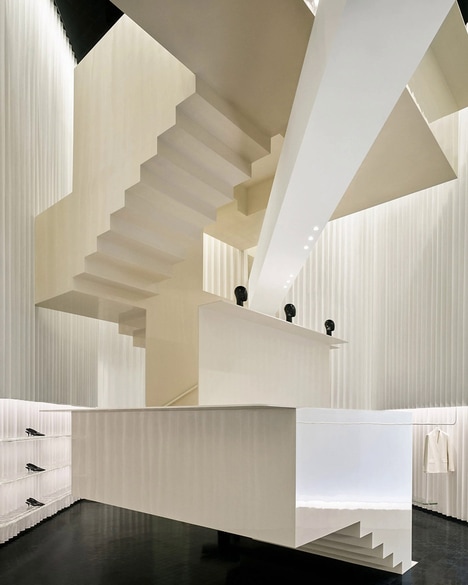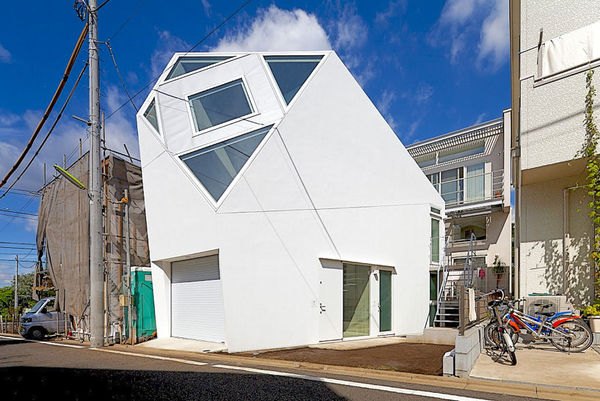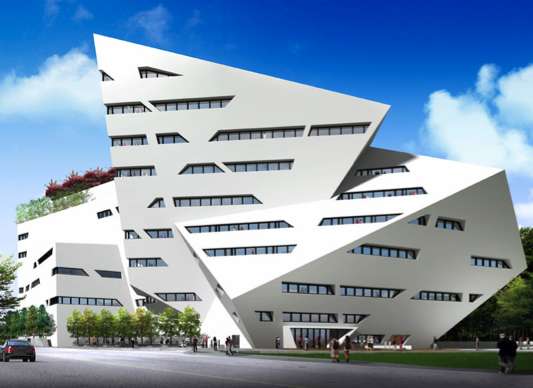
Daniel Libeskind designed a huge 1.5 million-square-foot complex in the leisure and shopping center for Brunnen, Switzerland. 70 shops, a hotel, a multiplex, a wellness center, and apartments mark the angular building. The building is positioned over the city’s major highway and has its own exit and train stop. The construction is a series of angled cubes and forms made to look like crystals. The core is supposed to look like a trapezoid crystal and creates the space for the galleries and arcades.
What Makes This Trend Stand Out
- Angletecture
- The trend of incorporating angular designs and shapes into architecture and construction can create disruptive innovation opportunities for sustainable and efficient building materials and methods.
- Multipurpose Complexes
- The trend of creating large complexes that combine various amenities such as shopping, entertainment, and residential units can create disruptive innovation opportunities for integrated technology solutions and energy-efficient designs.
- Iconic Landmarks
- The trend of designing large, visually striking buildings with unique shapes and features can create disruptive innovation opportunities for 3D printing technology and eco-friendly designs.
Sectors Adopting This
- Construction
- The construction industry can benefit from the trend of incorporating angular designs in buildings by exploring sustainable building materials and methods.
- Real Estate
- The real estate industry can benefit from the trend of creating multifunctional complexes by integrating smart home technology and green building practices.
- Tourism/hospitality
- The tourism and hospitality industries can benefit from the trend of designing iconic landmarks by incorporating sustainable energy solutions and wellness features in hotel and resort designs.