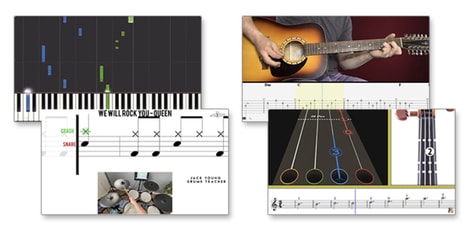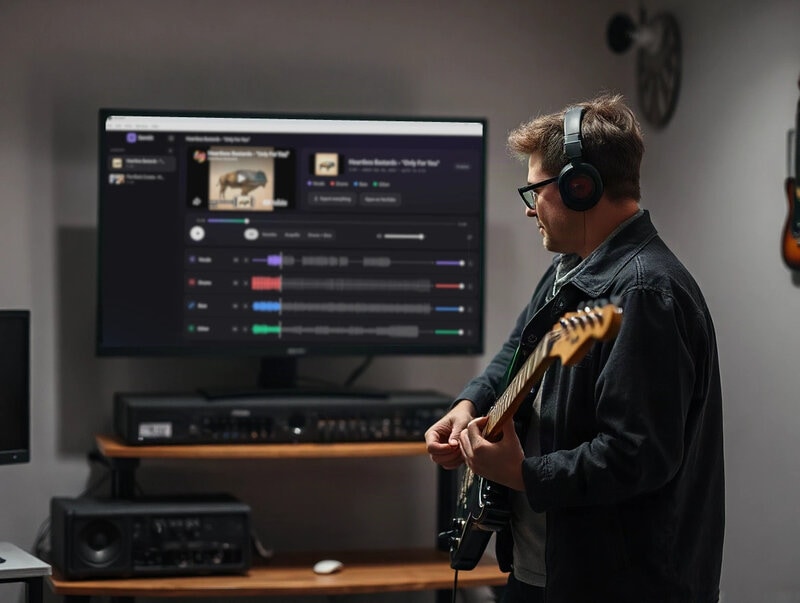
StemKit gives musicians a way to pull apart songs so they can practice along, mute parts, or rebuild a backing track without paying for a cloud service. The open-source desktop app from StemKit runs locally, and it works with YouTube links or pasted URLs to break a song into separate audio channels.
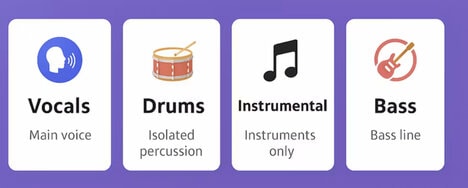
The app keeps the process on the PC, so no account, API key, or strong AI rig is required. It can separate parts like vocals and drums, which helps players hear their own instrument lane more clearly and makes rehearsal feel closer to sitting in with the original recording.
This means a free, private practice tool instead of a subscription workflow. The rough edges around tougher instruments like guitar show that stem splitting is still a category with room to improve, but even a clean version can change how people learn songs at home.
Image Credit: StemKit
Key Themes Behind This Trend
- Local Audio Separation
- On-device stem splitting creates room for privacy-first music tools that avoid subscriptions, accounts, and cloud dependency.
- Open-source Music Practice
- Community-built rehearsal software can disrupt paid learning platforms by giving musicians flexible ways to isolate, mute, and rebuild song parts.
- Youtube-based Rehearsal Tools
- Link-driven practice workflows turn everyday streaming content into interactive backing tracks, expanding access to personalized music training.
Where This Applies
- Music Technology
- Desktop-based audio isolation introduces new product possibilities for affordable creator utilities that compete with cloud-heavy production services.
- Music Education
- Self-guided practice platforms gain value from stem control, helping learners hear arrangements more clearly without needing formal instruction.
- Creator Software
- Lightweight local applications show potential to reshape creative workflows by offering powerful media manipulation without enterprise-level hardware or subscriptions.