




Aeroptera Launches the Lace Research Quadcopter
Edited by Colin Smith — March 5, 2026 — Social Good
This article was written with the assistance of AI.
References: 3dprinting
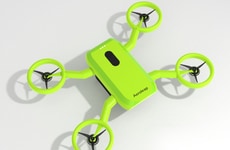
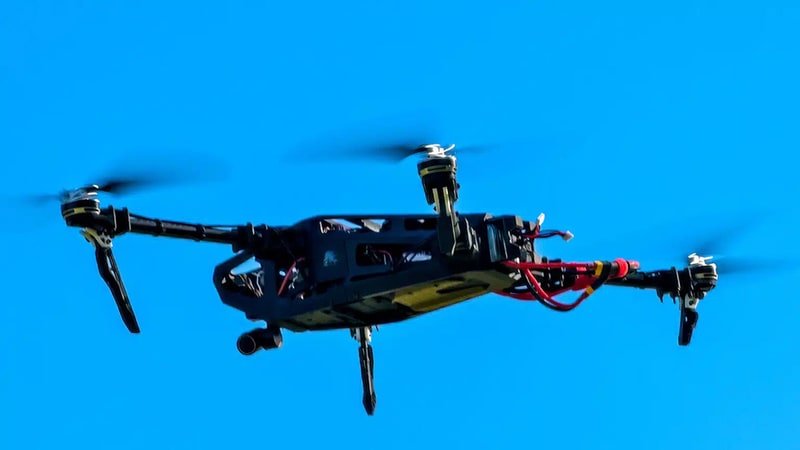
Aeroptera, a student-led nonprofit, launched the Lace, a foldable research quadcopter frame designed to be 3D printed and shared free. Featuring an 800 mm motor-to-motor span and a folding Superclamp mechanism, the frame packs into a backpack while supporting common flight hardware. Nearly the entire airframe is printable from STL files the group published for researchers and advanced builders.
The Lace typically weighed about 3 kg depending on configuration and was built to accept Pixhawk 6C flight controllers, 4S 4500 mAh batteries, 220 mm carbon fiber tubes, and a variety of motors and ESCs. Aeroptera iterated on prototypes to strengthen joints and collaborated with Autel Robotics and academic partners on refinements and testing.
This open design matters because labs and field teams gain an affordable, repairable platform that lowers access barriers to aerial research. The upcoming Lace II adds carbon fiber reinforced PETG and canted motors for greater stiffness, signaling a trend toward modular, printable research-grade drones.
Image Credit: Aeroptera
The Lace typically weighed about 3 kg depending on configuration and was built to accept Pixhawk 6C flight controllers, 4S 4500 mAh batteries, 220 mm carbon fiber tubes, and a variety of motors and ESCs. Aeroptera iterated on prototypes to strengthen joints and collaborated with Autel Robotics and academic partners on refinements and testing.
This open design matters because labs and field teams gain an affordable, repairable platform that lowers access barriers to aerial research. The upcoming Lace II adds carbon fiber reinforced PETG and canted motors for greater stiffness, signaling a trend toward modular, printable research-grade drones.
Image Credit: Aeroptera
Trend Themes
-
Open-source Printable Airframes — Democratized access to complete STL airframe files is lowering cost and entry barriers for research teams and hobbyists, enabling distributed iteration and localized production of bespoke platforms.
-
Foldable Modular Drone Design — Portability through folding Superclamp mechanisms and modular component acceptance is enabling field-portable research platforms that can be rapidly reconfigured for varied mission profiles.
-
Composite-reinforced 3D Printing — The integration of carbon fiber reinforcement with PETG and other printable materials is producing research-grade stiffness and durability in printed drone structures previously reserved for molded composites.
Industry Implications
-
Academic and Research Labs — Universities and lab groups gain affordable, repairable platforms that expand experimental drone use across ecology, geoscience, and engineering without large capital outlays.
-
Emergency Response and Field Surveying — Responders and survey teams benefit from backpackable, easily repairable drones that support rapid on-site reconnaissance in remote or disaster-affected areas.
-
Drone Manufacturing and Supply Chain — Manufacturers and parts suppliers face a shift toward decentralized production as open printable designs enable on-demand fabrication and custom aftermarket ecosystems.
6.9
Score
Popularity
Activity
Freshness