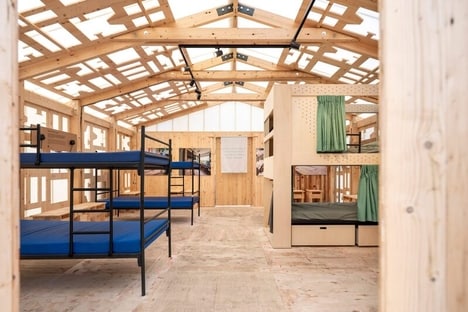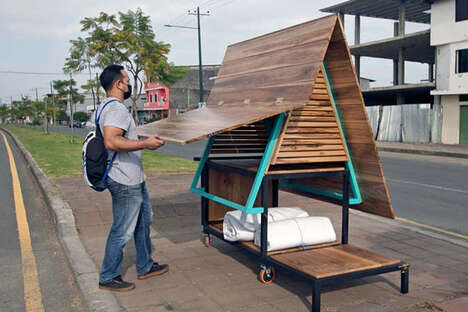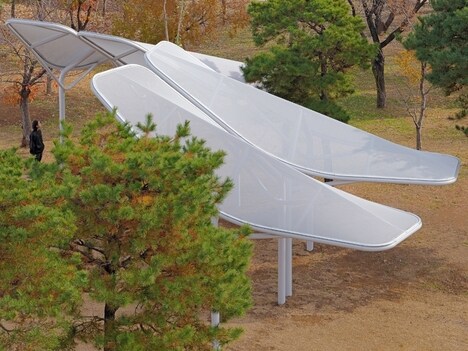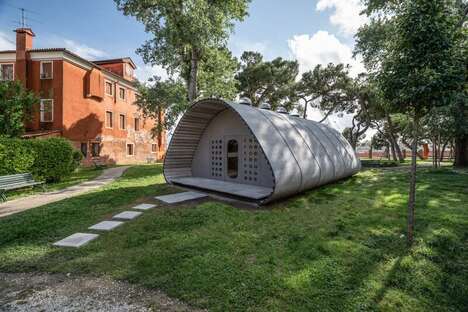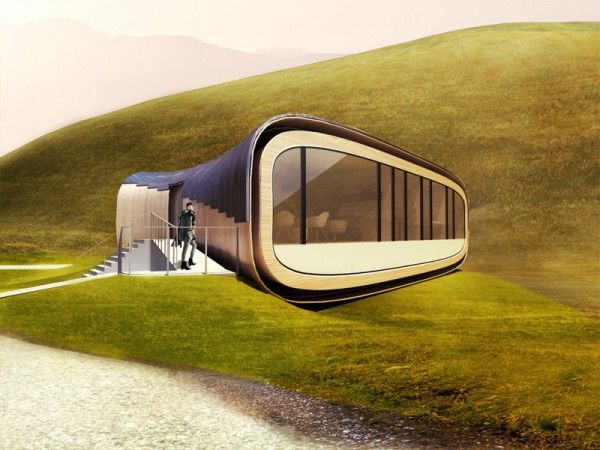
Singapore-based designer Kelvin Yong's Metaplate is a customizable emergency shelter that was created in response to the natural disasters constantly rocking our world.
The container is adaptable to different needs, made from resin-filled cardboard, and sturdy enough to withstand a variety of disaster-related conditions.
While it would be nice to see proof that the modular unit could stay viable for long-term use, the design of Kelvin Yong's Metaplate is agreeable. The bold orange color makes it both easy to spot in, say, a tropical storm, and cuter than a traditional tent at the same time.
Why This Trend Is Growing
- Personalized Emergency Shelters
- The trend of customizable emergency shelters presents an opportunity to create disruptive innovations that blend aesthetics and functionality for disaster preparedness.
- Modular Emergency Structures
- The trend of modular emergency structures presents an opportunity to develop innovative designs that can be quickly assembled and adapted to suit different needs during natural disasters.
- Sustainability in Emergency Shelter Design
- The trend of incorporating sustainable materials and practices into emergency shelter design presents an opportunity to create eco-friendly solutions that can withstand disaster-related conditions.
Industries Being Reshaped
- Architecture
- The architecture industry can explore the trend of customizable and modular emergency shelters to create innovative disaster-resilient structures that prioritize both functionality and design.
- Material Science
- The material science industry can play a role in the trend of creating sustainable emergency shelters by developing eco-friendly materials that can withstand disaster-related conditions.
- Humanitarian Aid
- The humanitarian aid industry can incorporate the trend of personalized emergency shelters by providing tailor-made solutions that are culturally appropriate and meet the specific needs of affected communities.