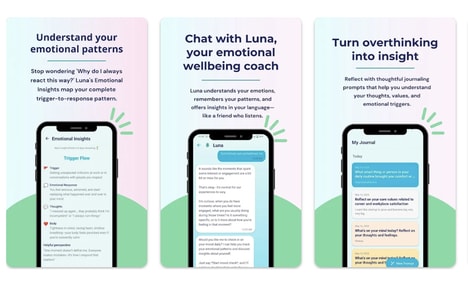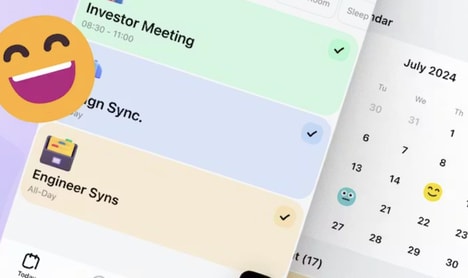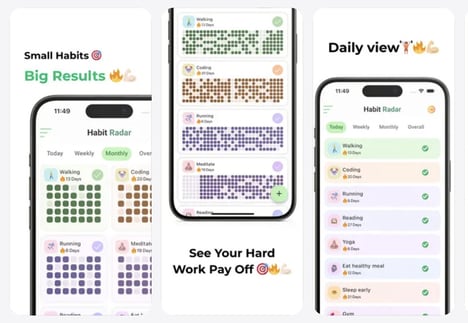
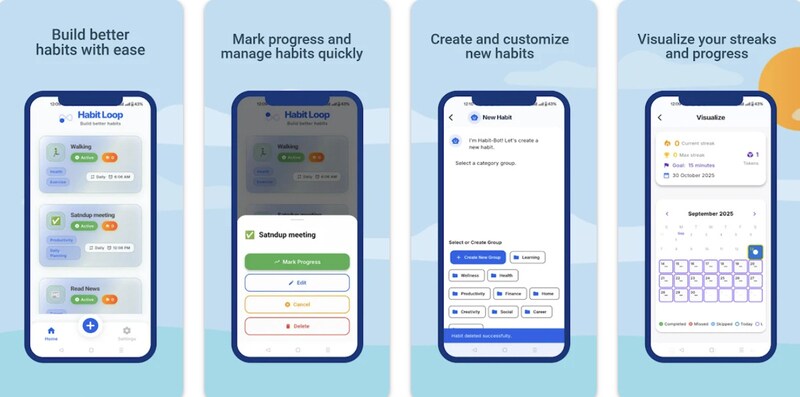
Staying consistent with habits often feels repetitive and disconnected, which leads many people to abandon tracking tools over time, HabitLoop solves this by replacing traditional checklists with a conversational interface that feels more like a personal coach than a productivity app.
Users can track habits, reflect on progress, and stay accountable through ongoing dialogue that encourages consistency without feeling mechanical. This makes habit-building feel more natural and engaging. The app is designed to support both building good habits and breaking unwanted ones by keeping users mentally engaged with their goals in a more interactive format. Over time, this helps reinforce discipline through daily interaction.
By combining habit tracking with conversational AI, it transforms routine tracking into a more supportive and motivating experience.
Image Credit: HabitLoop
What Makes This Trend Stand Out
- Conversational Habit Coaching
- Conversational interfaces that simulate a personal coach create opportunities for habit tools to sustain engagement through natural language dialogue and emotional resonance.
- Gamified Habit Tracking
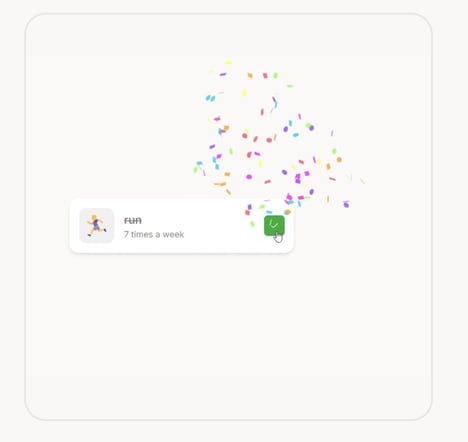
- Game-like mechanics and progress narratives transform routine tracking into motivating, long-term experiences that reduce abandonment rates.
- Adaptive Behavioral Feedback
- Systems that tailor prompts and reflections based on user responses and patterns enable more effective, personalized habit reinforcement over time.
Sectors Adopting This
- Mental Health & Wellness
- Personalized conversational habit tools that mirror therapeutic techniques present the potential to extend scalable, low-cost behavioral support outside clinical settings.
- Corporate Training & Employee Productivity
- Organizations could leverage interactive habit-coaching platforms to reinforce workplace routines and skill adoption through continuous, conversational nudges.
- Consumer Health & Wearables
- Combining wearable data with dialogue-driven habit coaching offers the chance to create context-aware interventions that align health behaviors with real-world conditions.