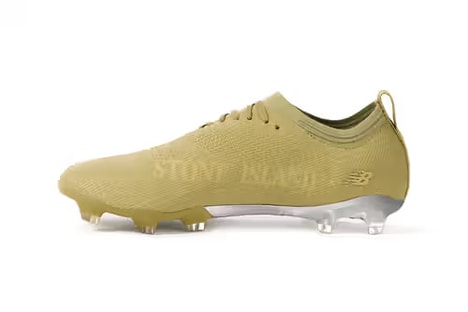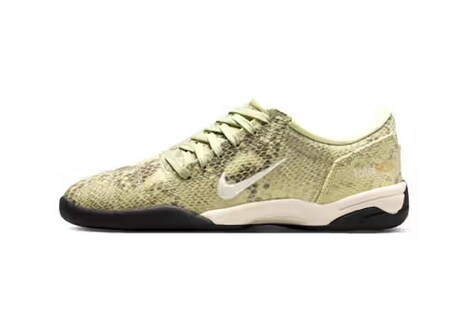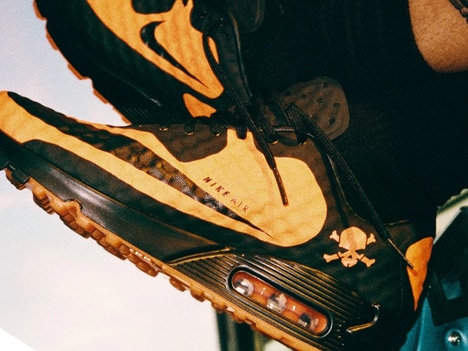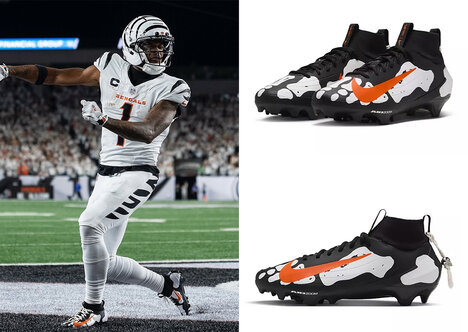
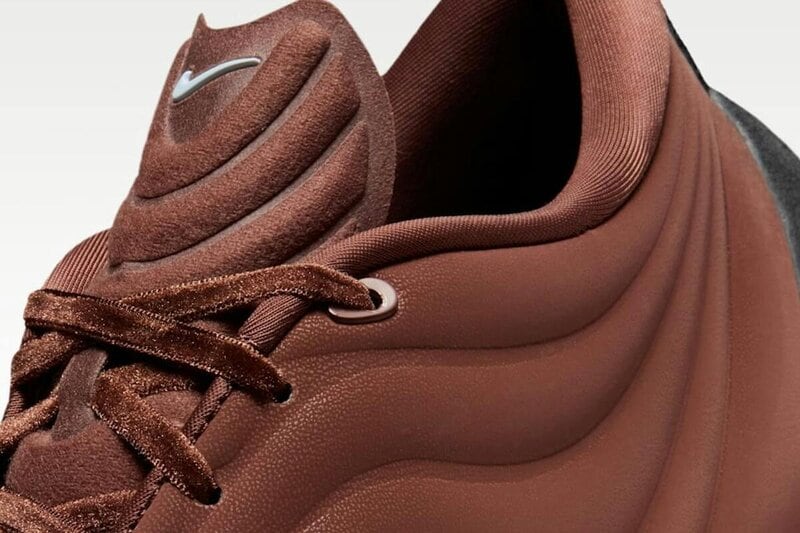
Nike's Astra Ultra turns football-boot cues into a low-profile sneaker, pairing a quilted upper with a ribbed shape and a rustic red finish that keeps the silhouette grounded. The shoe also uses 3D generative AI to build its wavy traction outsole, giving the design a more complex underfoot pattern across the sole.
Asymmetrical laces add extra visual weight, while velvet laces bring a softer material contrast to the same pair of shoes. The mix of surface textures keeps the sneaker in lifestyle territory even as it borrows from sport.
At $190 on Nike's website, Astra Ultra sits in the statement-sneaker lane rather than the everyday basics aisle. Its AI-shaped sole and retro football references widen the space for future-driven footwear that still feels tied to a familiar sport profile.
Image Credit: Nike
What's Driving This Trend
- AI-generated Soles
- Algorithmic outsole design introduces new ways to optimize traction patterns while giving lifestyle footwear a visually distinctive technical signature.
- Sport-lifestyle Hybrids
- Retro athletic cues blended with fashion-forward materials expand the market for sneakers that feel both performance-inspired and streetwear-ready.
- Textural Statement Footwear
- Layered finishes, asymmetric details, and unexpected lace materials create premium differentiation in footwear beyond colorway-driven releases.
Who This Affects Most
- Footwear
- Generative design tools are reshaping sneaker development by enabling complex structures that merge functional grip with aesthetic novelty.
- Fashion Retail
- Premium statement sneakers support new merchandising strategies centered on limited design narratives, material contrast, and tech-enabled craftsmanship.
- Sportswear
- Heritage sport references combined with AI-assisted design create fresh product lanes between athletic authenticity and lifestyle consumption.