






Dryrobe® Pure Uses BIOSherpa Technology
Michael Hemsworth — May 2, 2026 — Eco
References: dryrobe & retailtimes
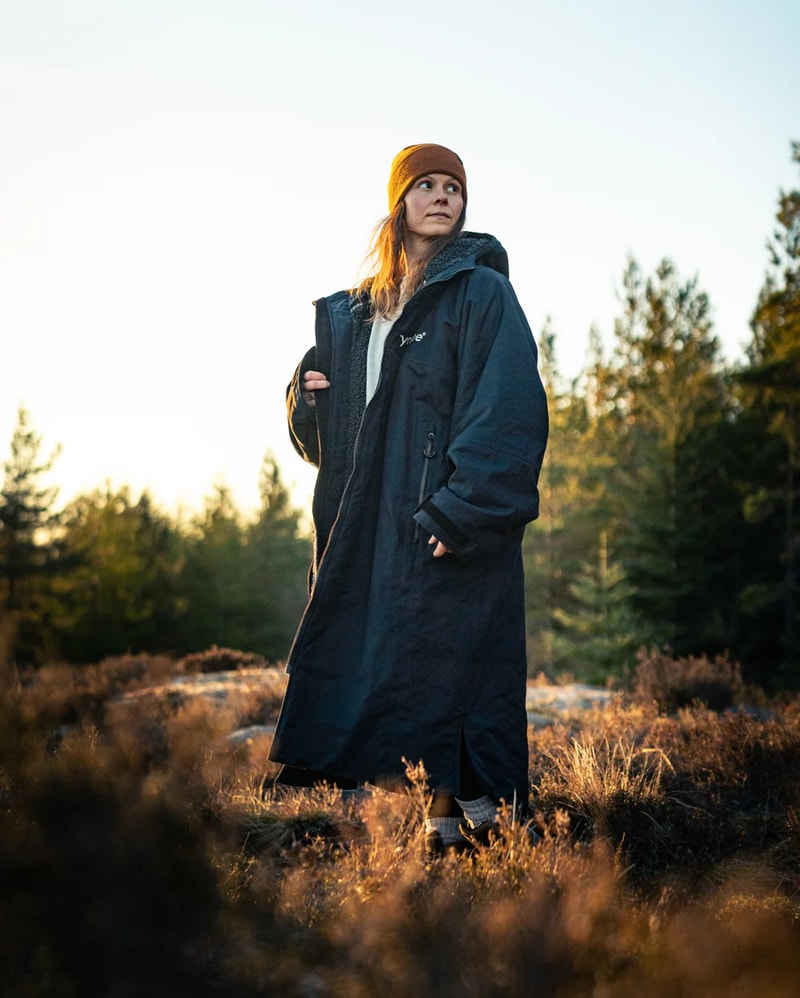
Dryrobe® Pure is the brand's latest fabric innovation that prioritizes sustainability to work well for today's discerning adventurer seeking out more eco-friendly gear options. The 100% industrially compostable inner pile fabric is positioned for use in outdoor applications and is achieved without the use of fossil fuels to prioritize enhanced sustainability. The material uses BIOSherpa technology that's positioned as a high-performance alternative to other varieties on the market that are made with petroleum-based components and enables it to be 98% bio-based with the remaining 2% consisting of natural minerals.
Founder Gideon Bright commented on Dryrobe® Pure saying, "Dryrobe® Pure is without a doubt the most ambitious project we’ve ever undertaken. For a long time, creating something like this felt out of reach. It’s a huge challenge to balance new material science with the durability people need. While it would have been easier to stick with standard fabrics, we wanted to see if we could finally build the Dryrobe® we’ve always imagined – one made from organic, renewable sources without using fossil fuels."
Founder Gideon Bright commented on Dryrobe® Pure saying, "Dryrobe® Pure is without a doubt the most ambitious project we’ve ever undertaken. For a long time, creating something like this felt out of reach. It’s a huge challenge to balance new material science with the durability people need. While it would have been easier to stick with standard fabrics, we wanted to see if we could finally build the Dryrobe® we’ve always imagined – one made from organic, renewable sources without using fossil fuels."
Trend Themes
-
Fossil-fuel-free Fabrics — Development of high-performance materials derived entirely from renewable inputs could replace petroleum-based textiles across technical apparel.
-
Compostable Performance Textiles — End-of-life biodegradability integrated with durability introduces a new lifecycle model for outdoor gear, reducing landfill impact.
-
Bio-based Thermal Insulation — Advanced bio-based insulating piles that maintain thermal and moisture management properties present alternatives to synthetic fibers in extreme-condition clothing.
Industry Implications
-
Outdoor Apparel — Consumer demand for sustainable kit is shifting product value toward garments that combine technical performance with full compostability.
-
Sports Recovery Equipment — Recovery robes and wearable therapy products that avoid fossil-fuel components could redefine materials used in post-exercise thermal and moisture control.
-
Textile Manufacturing — Manufacturing processes tailored to bio-based feedstocks and industrial compostability standards could disrupt supply chains and material sourcing for fabric producers.
4.7
Score
Popularity
Activity
Freshness