
Remote work offers flexibility, but it can also create a sense of isolation for people who miss the energy of working around others. Drop In is designed to help remote workers find informal coworking opportunities in nearby public spaces.
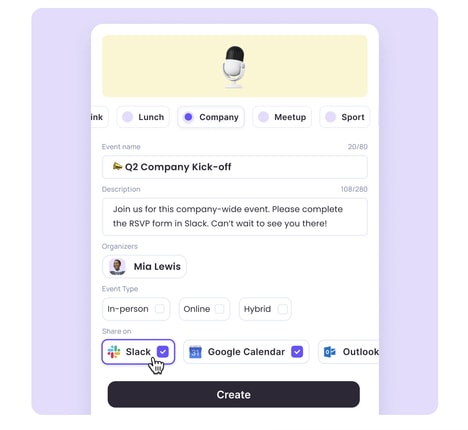
The platform connects people who want to work from cafés, parks, libraries, or other shared environments, creating opportunities for spontaneous collaboration and social interaction without the structure of a traditional coworking membership. Participants can join sessions based on location and availability, making it easier to fit in-person work sessions into existing routines.
Drop In is aimed at freelancers, remote employees, and independent professionals seeking occasional in-person connection. By lowering the barriers to organizing coworking meetups, it offers a simple way to bring remote work into shared physical spaces.
Image Credit: Drop In
Key Themes Behind This Trend
- Casual Coworking Networks
- Informal work gatherings create room for platforms that blend social discovery, productivity planning, and low-commitment professional connection.
- Location-based Work Meetups
- Real-time proximity tools are reshaping remote work by matching professionals with nearby public spaces and compatible work sessions.
- Third-place Productivity
- Cafés, libraries, parks, and similar venues are becoming flexible work destinations where community-building services can add value beyond traditional office models.
Where This Applies
- Workplace Technology
- Remote collaboration software has an opening to extend beyond digital communication into physical-world coordination and local community formation.
- Coworking Real Estate
- Membership-based coworking operators face new possibilities around lighter, event-like access models that serve professionals seeking occasional in-person interaction.
- Hospitality Venues
- Coffee shops, hotels, and public-facing spaces can benefit from demand for work-friendly environments supported by discovery, scheduling, and community features.