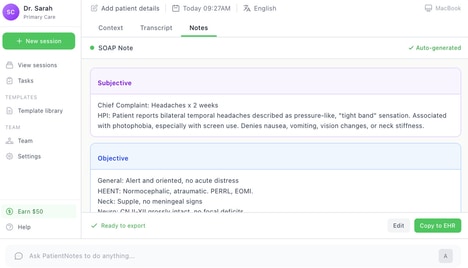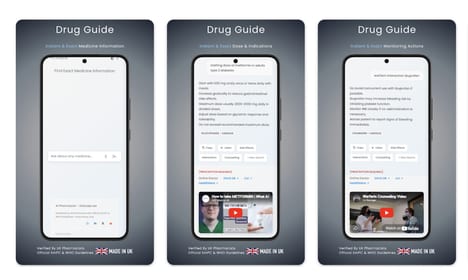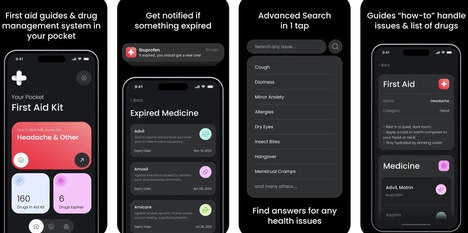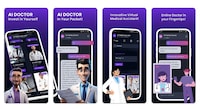
WisepatientAI has introduced conversational medical record search, allowing patients to explore their health histories through simple questions. Rather than reviewing lengthy documents or switching between healthcare portals, users can ask about previous treatments, medications, or test results and receive explanations drawn from their personal records. This new capability builds on the platform's existing system for organizing medical information from multiple providers.
The AI-powered feature can identify historical changes in health measurements, locate clinical notes, and retrieve details from earlier appointments. Caregivers can also use the platform to better understand family members' medical histories when coordinating care. The free app is available on Apple and Android devices.
For wisepatientAI, conversational search could strengthen its position in digital healthcare by offering more accessible patient information tools. Its simplified approach may encourage greater engagement while supporting informed discussions with medical professionals.
Image Credit: wisepatientAI
What's Driving This Trend
- Conversational Health Search
- Natural-language interfaces are reshaping patient access to complex medical records, creating room for AI tools that translate fragmented clinical data into understandable personal health insights.
- Unified Patient Records
- Cross-provider record aggregation is becoming a critical layer in digital care, with platforms able to consolidate histories, medications, and test results into more usable patient-facing experiences.
- Caregiver Data Access
- Family-centered health tools are expanding as caregivers need clearer visibility into medical histories, opening opportunities for permission-based platforms that simplify coordination across appointments and providers.
Who This Affects Most
- Digital Health
- AI-enabled record navigation is pushing digital health beyond storage and portals toward intelligent assistants that improve comprehension, engagement, and care preparation.
- Healthcare Software
- Electronic health information systems face disruption from consumer-friendly interfaces that sit above legacy portals and make clinical documentation searchable through everyday language.
- Mobile Health Apps
- Smartphone-based health management is evolving through free, AI-powered tools that reduce friction for patients managing longitudinal records across multiple care settings.