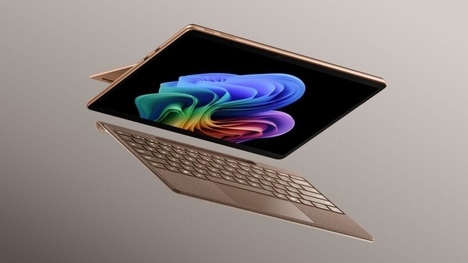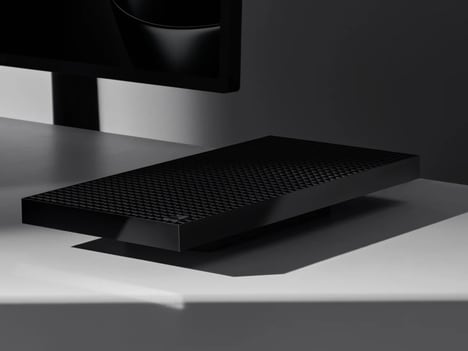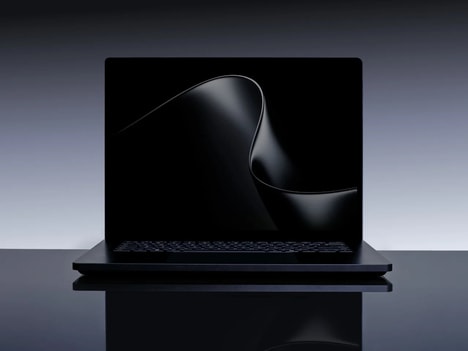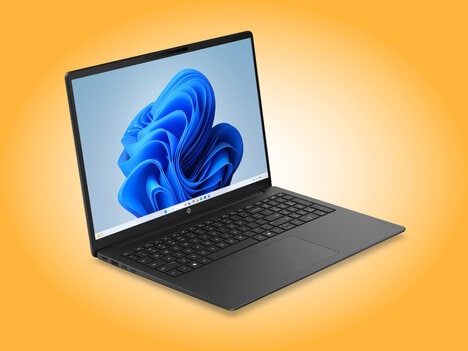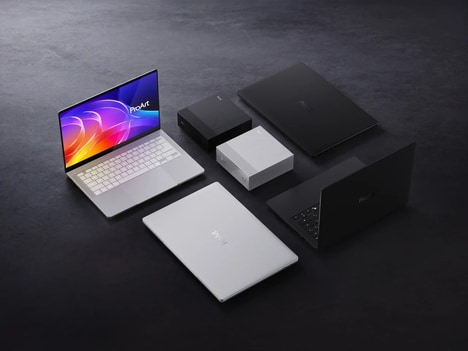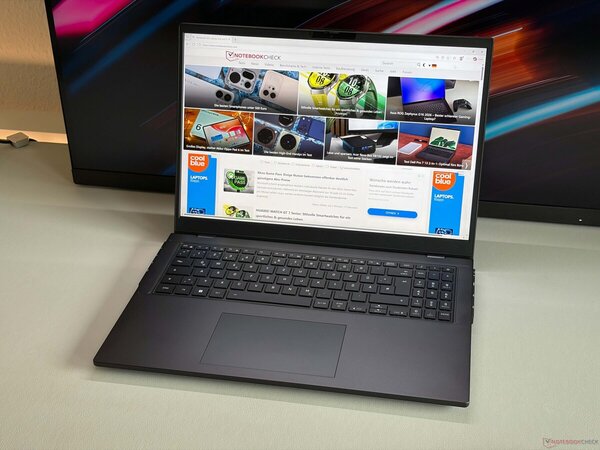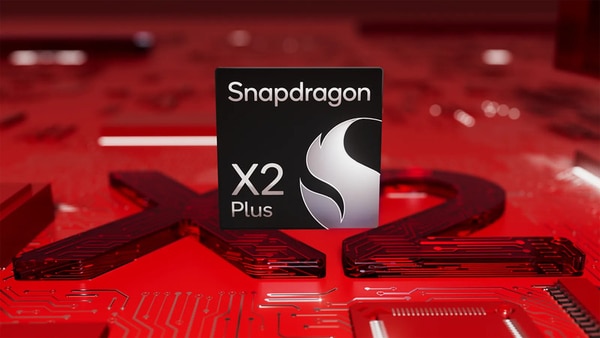
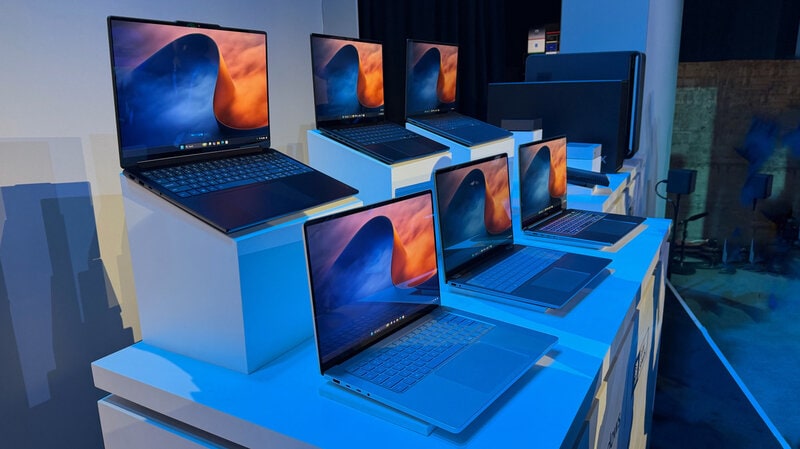
NVIDIA has introduced RTX Spark, a laptop platform designed for people who work with artificial intelligence, creative software and demanding games. It combines an Arm-based processor with NVIDIA's Blackwell graphics technology and up to 128GB of shared memory, allowing users to run AI models directly on their laptop. The first Windows laptops using the platform are expected this autumn, including the Surface Laptop Ultra.
By sharing memory between the processor and graphics, RTX Spark can handle larger AI models without relying as heavily on cloud services. The design also aims to deliver strong performance when running on battery power. Adobe is adapting Photoshop and Premiere for the platform, giving creative professionals more options for photo and video editing.
Starting at $2,600, RTX Spark is aimed at developers, researchers and professionals who need powerful computing on the move. Its price puts it in competition with high-end laptops such as Apple's MacBook Pro and traditional desktop workstations.
Image Credit: NVDIA
What Makes This Trend Stand Out
- On-device AI Workstations
- Local AI processing in portable computers creates new opportunities for professionals to run larger models with lower latency, improved privacy and reduced dependence on cloud infrastructure.
- Shared Memory Computing
- Unified memory architectures enable laptops to handle complex creative and AI workloads more efficiently, opening space for software optimized around high-capacity mobile performance.
- Arm-based Professional Laptops
- Energy-efficient Arm processors paired with advanced graphics introduce a competitive shift in premium workstations, especially for users balancing mobility, battery life and compute intensity.
Sectors Adopting This
- Artificial Intelligence
- Powerful mobile hardware expands the addressable market for AI development by making model testing, prototyping and deployment more accessible outside centralized data centers.
- Creative Software
- Applications for video, image and 3D production can benefit from native optimization on next-generation laptop platforms, reshaping expectations for professional editing away from fixed workstations.
- Consumer Electronics
- Premium laptop makers face a new performance benchmark as AI-ready devices combine workstation-level capability with portable form factors and differentiated chip architectures.