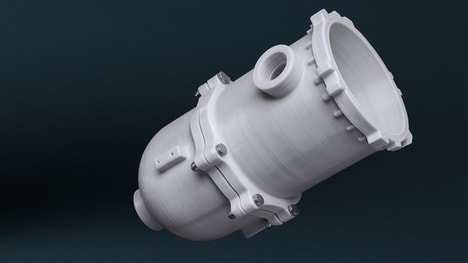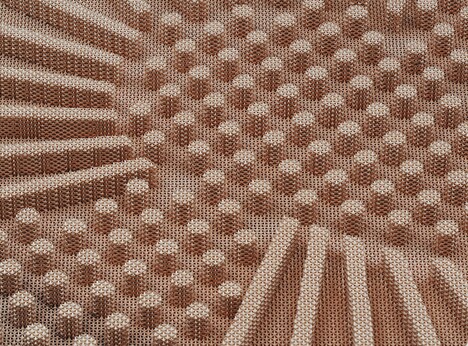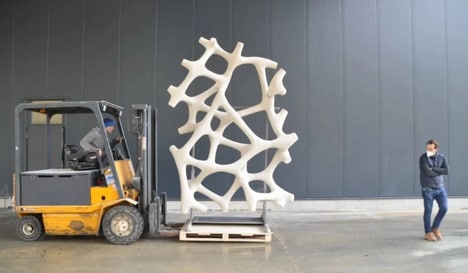
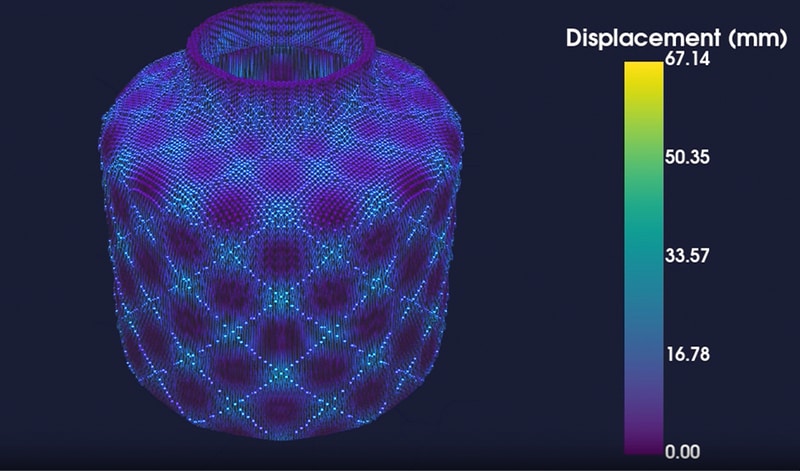
Real-time manufacturing simulation is helping engineers evaluate production outcomes before physical fabrication begins, reducing reliance on costly trial-and-error processes. Aibuild's FETS platform uses GPU-powered computing to rapidly model thermal behavior, stress, distortion, cracking, and other factors that can affect additive manufacturing performance. By generating detailed simulations in a fraction of the time required by traditional methods, the platform enables manufacturers to identify potential issues earlier and optimize designs before production starts.
The growing demand for faster and more efficient manufacturing workflows is driving interest in advanced simulation technologies. Predictive engineering platforms can help companies reduce material waste, shorten development timelines, and improve production reliability by validating designs before resources are committed. For aerospace, automotive, industrial, and advanced manufacturing organizations, faster simulation capabilities may accelerate product development while lowering operational costs. As manufacturers continue to digitize engineering processes, simulation-driven decision-making is becoming an increasingly important tool for improving efficiency, quality, and competitiveness.
Image Credit: Aibuild
What's Driving This Trend
- Real-time Simulation
- A platform that delivers near-instant simulation results enables iterative design validation and reduces the need for physical prototypes, opening avenues for on-the-fly process optimization and bespoke part production.
- Gpu-powered Predictive Modeling
- Faster GPU-based modeling of thermal, stress, and distortion phenomena creates opportunities for integrating high-fidelity physics into routine engineering workflows and automated quality prediction.
- Simulation-driven Decision-making
- Simulation outputs becoming the primary input for production planning and supply-chain choices could shift capital investment from trial tooling toward digital validation and virtual inventory strategies.
Who This Affects Most
- Aerospace
- Aircraft OEMs and suppliers stand to shorten certification cycles and lower scrap rates by relying on validated simulations to predict manufacturing-induced defects in complex metallic and composite components.
- Automotive
- Vehicle manufacturers and tier suppliers may accelerate development of lightweight structures and localized production by using rapid simulation to qualify novel geometries and materials before committing to expensive tooling.
- Industrial Manufacturing
- Contract manufacturers and factory operators could reconfigure job shops and process chains around verified virtual runs, enabling more flexible small-batch production and reduced material waste.