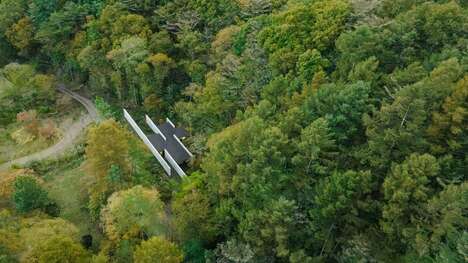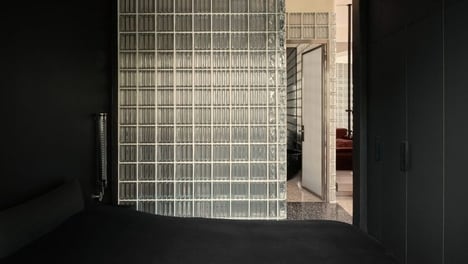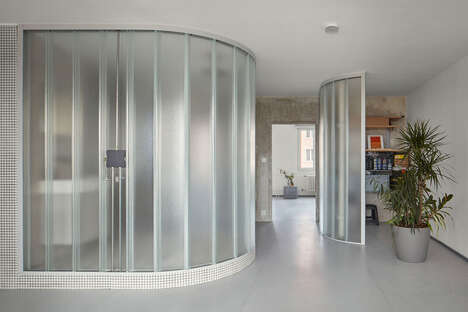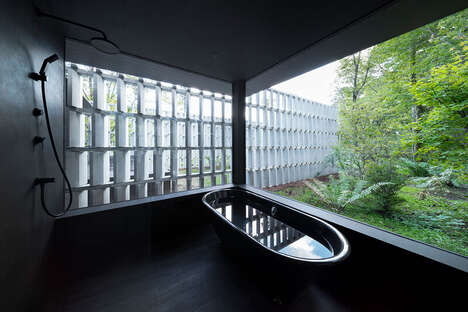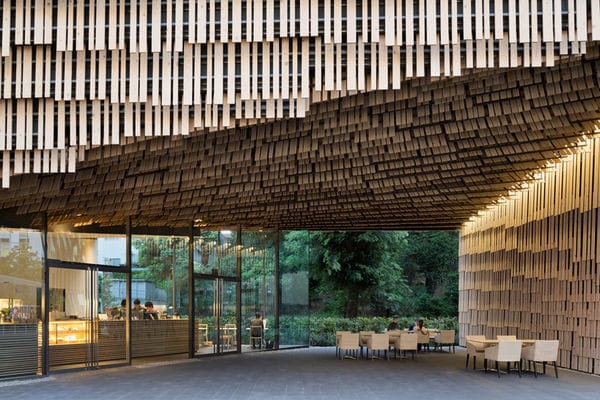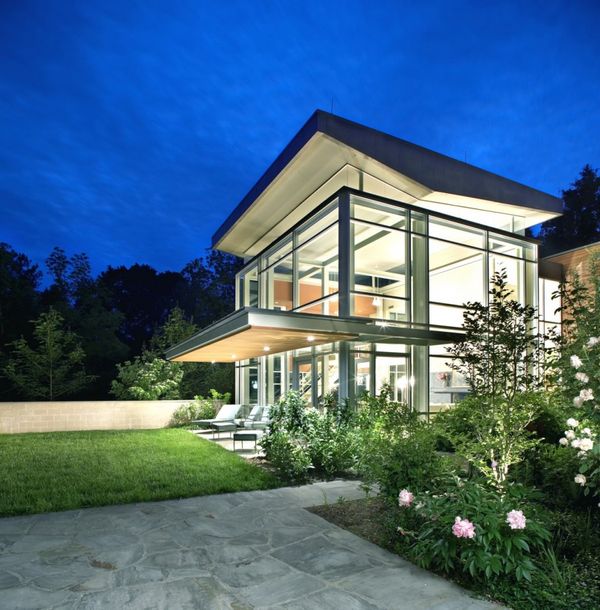
The Optical Glass House is a surprising example of architecture that employs unorthodox materials to create a visually striking effect. In this case, it uses 6,000 pure-glass blocks to mimic the traditional look of red brick.
Nevertheless, there is nothing classic about the Optical Glass House. Taking on a contemporary square shape, it translucent glass has a mesh-like aesthetic that reveals and conceals in equal amounts. Although it is apparent that there is a tree blossoming in the courtyard within, it is hard to determine much else.
Designed by Hiroshi Nakamura & NAP, the Optical Glass House was built in Hiroshima, Japan. Isolated from the world in such a way that it is still perceivable, habitants of this extraordinary home are able to enjoy a tranquil existence. The glass effectively blocks out sound but not sights.
What's Driving This Trend
- Transparent Architecture
- Using unconventional materials and methods to create visually striking and functional buildings with a focus on transparency and natural light.
- Optical Illusion Design
- Exploring the boundaries between reality and illusion through innovative design techniques, such as the use of translucent materials.
- Nature-inspired Homes
- Incorporating natural elements and surroundings into home design, blurring the boundaries between indoor and outdoor living.
Who This Affects Most
- Architecture and Design
- Developing new approaches to building design that prioritize transparency, natural light, and unconventional materials.
- Real Estate
- Incorporating unique and innovative features into homes and buildings to attract buyers in a competitive market.
- Sustainable Living
- Using eco-friendly materials in home design that emphasize a connection with nature and promote a more sustainable lifestyle.