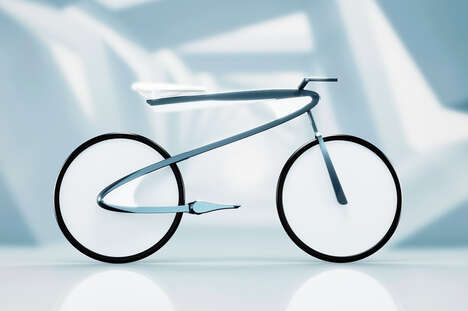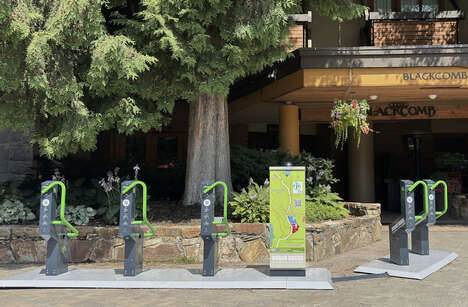
The Copenhagen Bike Share System would be a futuristic addition to the city, not for its function, but for its look. This cycle system introduces a completely new appearance to the growing urban staple. Instead of typical bike stands and bikes, there is a sunken aesthetic to this design.
Conceived by architecture and design studio Rafaa, the Copenhagen Bike Share System is incredibly interconnected as well. Through the use of GPS and W-Lan, it works to avoid conflicts while keeping tabs on every single bicycle in the system.
Through this concept, Rafaa hopes to increase city bikers from 37% to 50% by 2015. This is an attractive way to entice individuals to bike instead of drive, and decrease their carbon footprint.
Key Themes Behind This Trend
- Futuristic Bike Share Systems
- The sunken cycle stands of the Copenhagen Bike Share System introduce a completely new appearance to urban cycling, creating opportunities for futuristic bike share designs.
- Interconnected Bike Share Technology
- The use of GPS and W-Lan in the Copenhagen Bike Share System allows for efficient management and monitoring of bikes, paving the way for innovative interconnected bike share systems.
- Increasing City Biking
- The Copenhagen Bike Share System aims to increase city bikers from 37% to 50%, sparking the need for initiatives and technologies to encourage more people to choose biking over driving.
Where This Applies
- Urban Cycling
- The sunken cycle stands and futuristic design of the Copenhagen Bike Share System present new opportunities for innovation in the urban cycling industry.
- Smart City Technology
- The use of GPS and W-Lan in the Copenhagen Bike Share System highlights the potential for smart city technologies in managing and improving bike share systems.
- Sustainable Transportation
- With the goal of reducing carbon footprints, the Copenhagen Bike Share System creates opportunities for disruptive innovations in the sustainable transportation industry.