For a paralyzed individual, the ability to move their arm or leg in the same way as everyone else used to be more science-fiction than reality, but the BrainGate robotic arm is making that dream a bit more tangible.
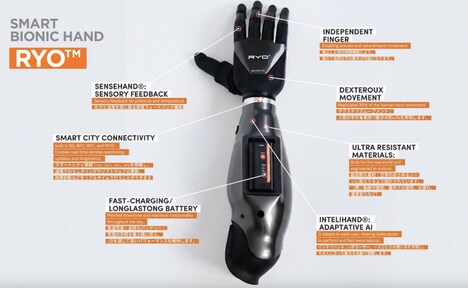
While still in very early stages of development, the device has made great strides toward completing a functioning prosthetic limb that is operated using a person's thoughts.
By implanting a tiny computer chip the size of a baby Aspirin into the cortex of the subject's brain, a robotic arm could be controlled in the same way that someone with full limb functionality would move -- by simply thinking about moving.
While there is much more research to be done, especially when it comes to making a wireless option to avoid surgical implantation, the device brings revived motor function a little bit closer to reality for those who have lost that ability.
What Makes This Trend Stand Out
- Mind-powered Prosthetics
- BrainGate's breakthrough technology is showing the potential of mind-powered prosthetic limbs.
- Neuroprosthetics
- The BrainGate robotic arm is an innovative example of neuroprosthetics that can change the field of prosthetics.
- Brain-computer Interfaces
- BrainGate's implantable computer chip serves as a significant development in the field of brain-computer interfaces.
Sectors Adopting This
- Medical Devices
- BrainGate's device for mind-powered prosthetics is an exemplary addition to the medical devices industry.
- Prosthetics
- The breakthrough made by BrainGate's technology is highly relevant for the prosthetics industry.
- Neuroscience
- BrainGate's device for mind-powered prosthetics is poised to create significant innovations in the field of neuroscience.