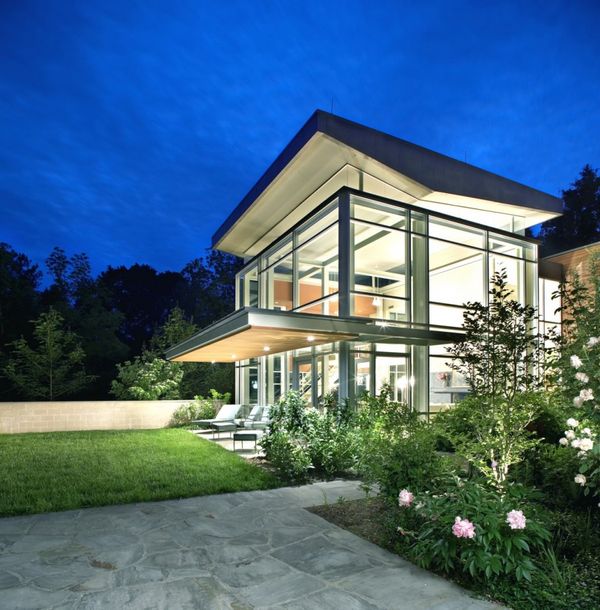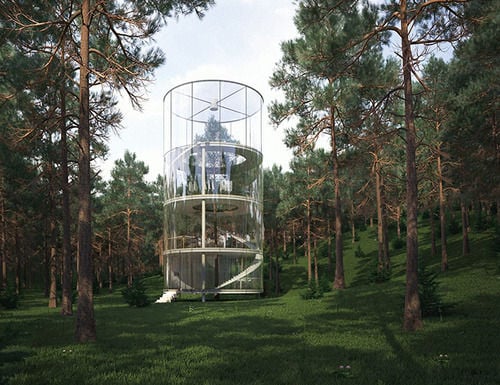
My geeky architecture student heart fluttered when I saw the Bik van der Pol Butterfly House because it's a replica of the 1951 Farnsworth House by American architect Mies van der Rohe. The minimalist glass-encased abode is just perfect for our colorful lepidopteran friends.
Making a metaphorical statement on the importance of pollinators for natural fertilization, the Bik van der Pol Butterfly House -- the winner of the Enel Contemporanea 2010 competition -- protects the sprightly species in this man-made modernist shelter.
Photo Credits: Designboom
What Makes This Trend Stand Out
- Modernist Monarch Habitats
- The trend of creating modernist habitats for monarch butterflies and other pollinators offers opportunities for architectural innovation and eco-friendly design.
- Repurposing Architecture for Nature
- Repurposing iconic architectural designs for nature conservation could be a new trend, offering opportunities for sustainable development and preservation.
- Lepidopteran-friendly Design
- Designing structures that cater to the needs of butterflies and other pollinators could become a new trend for environmentally responsible design and architecture.
Sectors Adopting This
- Architecture
- Architects have an opportunity to incorporate butterfly and pollinator habitats into their designs, fostering ecological sustainability and innovation.
- Conservation
- Conservation organizations could partner with architects to create modernist habitats for butterflies and other pollinators, contributing to environmental education and awareness.
- Sustainability
- Sustainability-focused industries such as green building and zero-waste design could incorporate butterfly and pollinator habitats into their practices, promoting ecological balance and innovation.