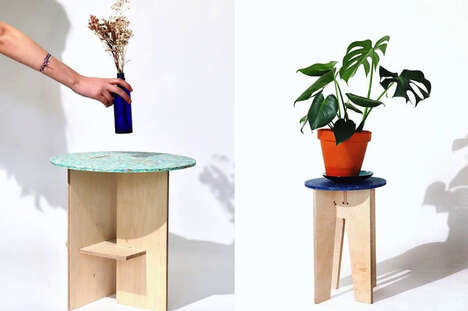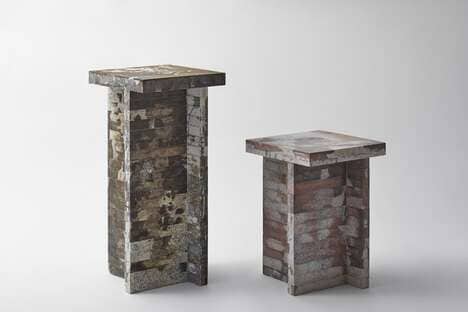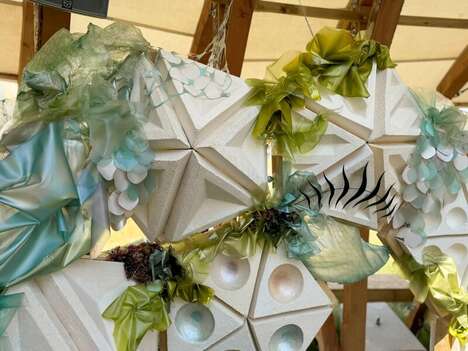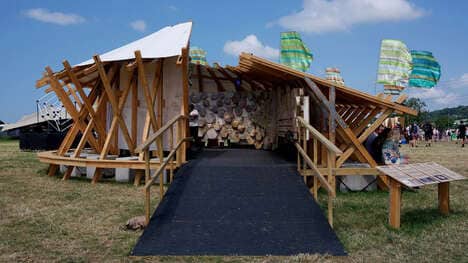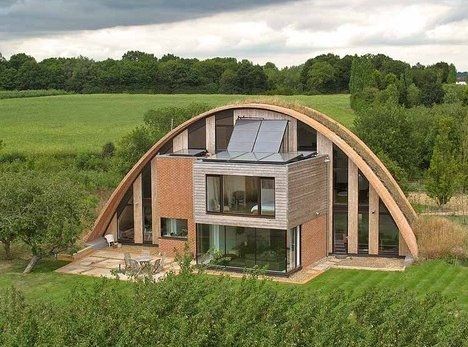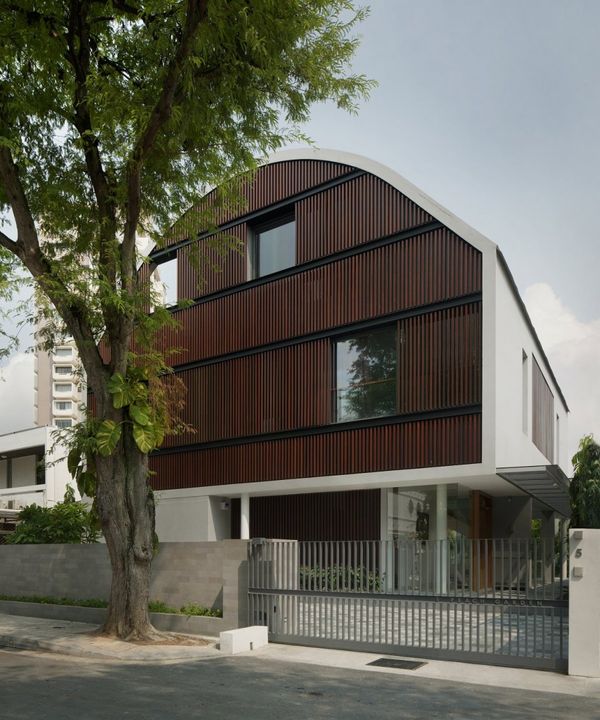
The Jellyfish Theatre will be made from recycled and scrap materials donated by the public and salvaged from building sites. Berlin-based architects Köbberling and Kaltwasser will construct the Jellyfish Theatre and it will take six to eight weeks to complete the eco-friendly project.
The theatre will open as a an exhibition space in July, and in September it will be used as -- you guessed it -- a theatre.
Implications - Many consumers are becoming increasingly worried about the health of the earth, and eco-friendly designs help to alleviate these concerns. Moreover, in purchasing these products, customers also feel a sense of empowerment that they are contributing to a solution to these pressing social issues. Companies should consider how to incorporate eco-friendly elements into their commodities to appeal to these individuals.
What Makes This Trend Stand Out
- Eco-friendly Design
- Incorporating eco-friendly elements into commodities appeals to consumers concerned about the health of the earth and creates a sense of empowerment.
- Recycled Materials
- Using recycled and scrap materials in construction projects helps address environmental concerns and showcases resourceful innovation.
- Upcycled Architecture
- Creating theaters and other structures from salvaged materials offers a unique and visually appealing design approach while promoting sustainable practices.
Sectors Adopting This
- Construction
- Incorporating recycled and salvaged materials into construction projects could lead to more environmentally friendly and cost-effective building practices.
- Entertainment
- Integrating eco-friendly design elements into theaters and exhibition spaces can attract environmentally conscious customers and enhance the overall experience.
- Environmental Services
- Supporting the recycling and repurposing of materials in architecture and construction can create new business opportunities and promote sustainability initiatives.