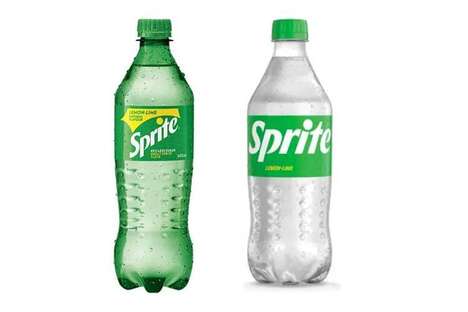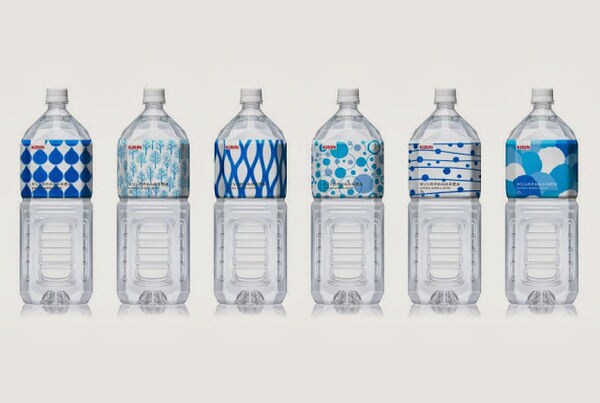
Almost 1.6 billion servings of Coco-Cola beverages are served each year--that's a lot of plastic being made and discarded into the environment. The Coco-Cola PlantBottle, the company's most recent development towards greener packaging, will hopefully change that.
The Coco-Cola PlantBottle is a plastic bottle that the brand plans to roll out for its Coke drinks (including its Dasani water). The bottles could potentially decrease carbon emissions by up to 25% as they are made from petroleum-based materials and 30% plant-based materials (sugar cane and molasses). The Coco-Cola PlantBottle can also be processed through existing recycling facilities without contaminating petroleum-based bottles.
What's Driving This Trend
- Sustainable Packaging
- The Coco-Cola PlantBottle demonstrates the trend towards using plant-based materials to create environmentally-friendly packaging solutions.
- Circular Economy
- The Coco-Cola PlantBottle's ability to be processed through existing recycling facilities promotes the trend of creating a circular economy by reducing waste and maximizing resources.
- Carbon Emission Reduction
- The Coco-Cola PlantBottle's use of plant-based materials and potential to decrease carbon emissions by up to 25% aligns with the trend of companies actively working towards carbon neutrality.
Who This Affects Most
- Beverage Manufacturing
- Beverage manufacturers can explore the use of plant-based materials to create sustainable packaging solutions that reduce their carbon footprint.
- Sustainable Packaging
- The sustainable packaging industry can capitalize on the demand for eco-friendly alternatives by developing and promoting plant-based packaging materials.
- Recycling
- Companies in the recycling industry can expand their services to accommodate the processing of plant-based bottles, contributing to a more efficient and sustainable recycling system.