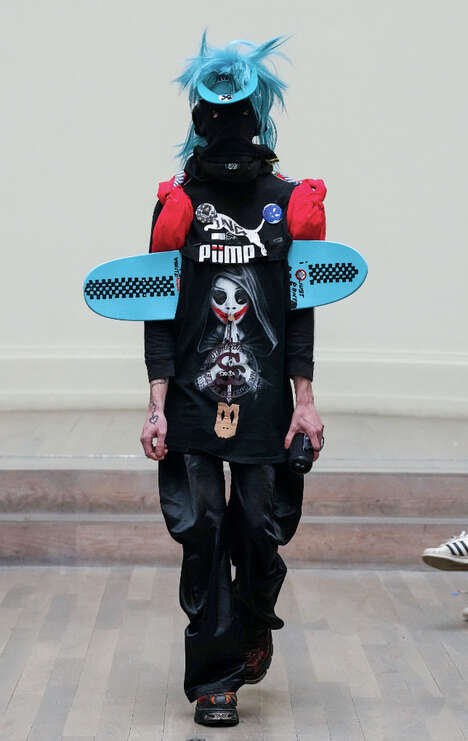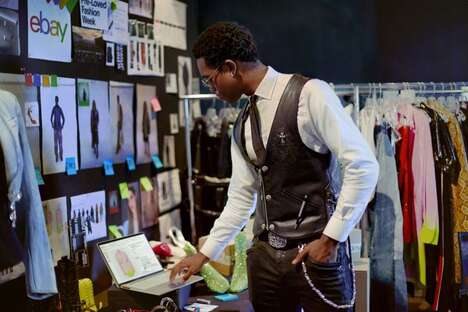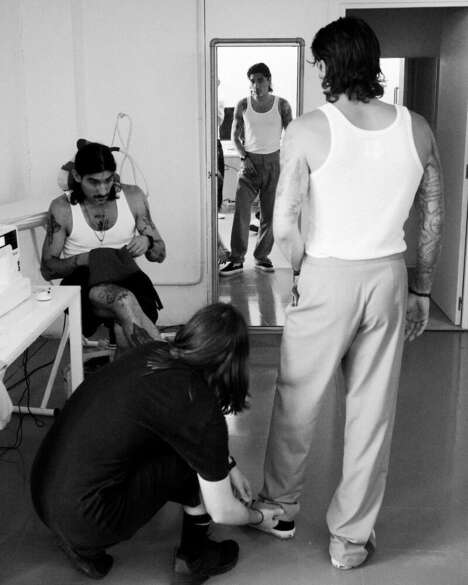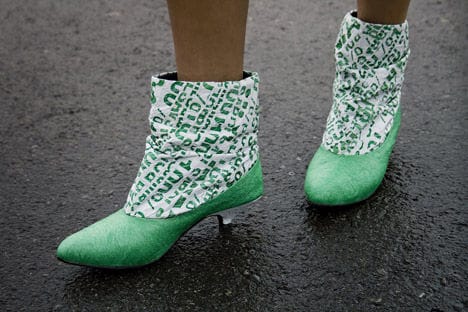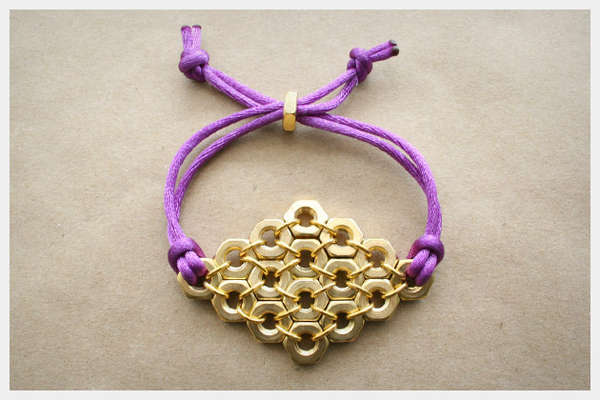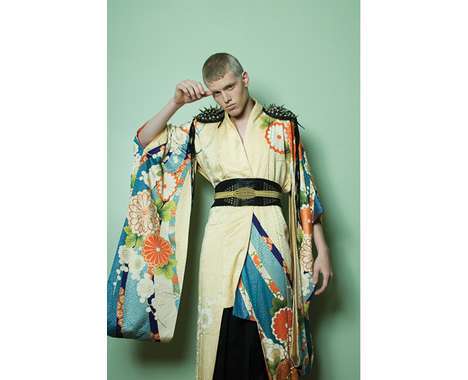
Slow fashion is gaining momentum as designers and the stylishly-inclined try to change the way we consume our clothes. The idea is a throwback to days gone by when families even made their own clothes, and a spin-off of the slow food movement.
The slow food movement, begun in Italy in 1986 as a reaction to a proposed fast food joint by the Spanish steps in Rome, emphasizes quality instead of quantity. Take the time to make your meal, and take your time enjoying it.
Now some designers are taking fashion down the same path. Buying cheap disposable clothes is going out of style. The new trend is buying quality--even if that means a significant increase in price--and having pieces you can be proud of, pieces that could even become hand-me-downs.
Key Themes Behind This Trend
- Sustainable Fashion
- Disruptive innovation opportunity: Designers can focus on creating sustainable fashion items that are durable and have a lower environmental impact.
- Slow Fashion Movement
- Disruptive innovation opportunity: Entrepreneurs can explore business models that prioritize quality over quantity, encouraging consumers to invest in timeless, long-lasting clothing pieces.
- Fashion Self-sufficiency
- Disruptive innovation opportunity: Brands can tap into the demand for self-sufficiency by offering DIY fashion kits and resources for consumers to create their own clothes.
Where This Applies
- Clothing and Apparel
- Disruptive innovation opportunity: Companies can adapt their production processes and sourcing to align with sustainable practices, catering to the growing demand for eco-friendly fashion.
- Textile Manufacturing
- Disruptive innovation opportunity: Textile manufacturers can innovate with new materials and production techniques to create durable, high-quality fabrics that are environmentally friendly.
- Fashion Retail
- Disruptive innovation opportunity: Retailers can curate a selection of slow fashion brands and offer personalized services that promote conscious buying habits and long-term value.