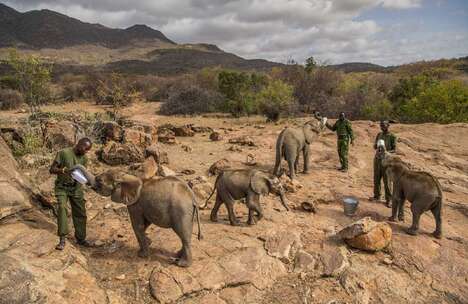
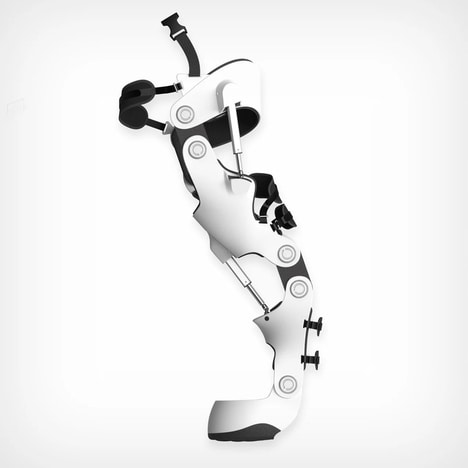
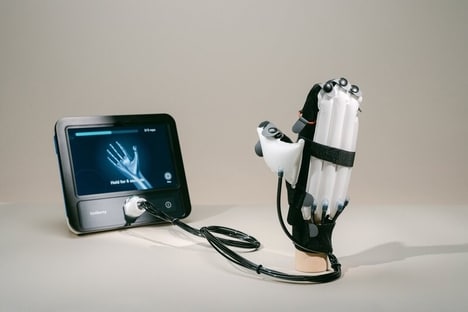
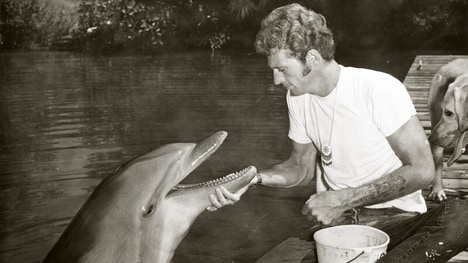
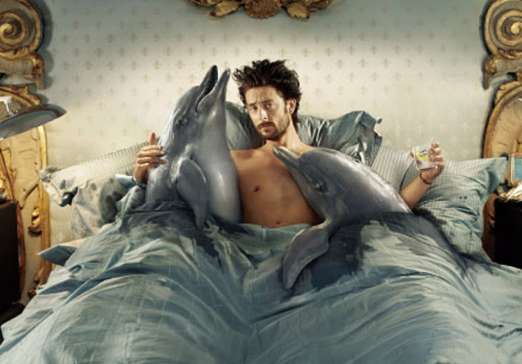
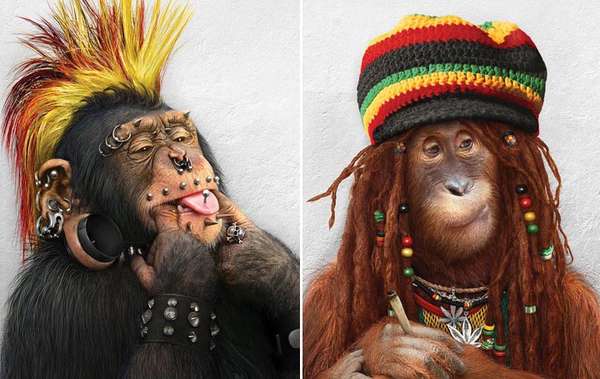
It turns out that rehab is not for celebrities anymore: ‘Monkey rehab’ is the playful way that many describe the work of the ‘Great Ape Project.’
Located in Brazil, the Great Ape Project rescues non-human great apes like chimpanzees, gorillas, orangotans, and bonobos from dangerous and abusive zoos, research labs, homes, and circuses.
The Great Ape Project offers animals a sanctuary and a second chance. View the pictures above to see some of the clientele, and check out another video on the Great Ape Project here.
Why This Trend Is Growing
- Primate Rehabilitation
- Disruptive innovation opportunity: The development of advanced and specialized rehabilitation techniques for non-human great apes can improve their physical and mental well-being.
- Rescue and Sanctuary Programs
- Disruptive innovation opportunity: Creating more rescue and sanctuary programs for non-human great apes can ensure their safety and provide them with a second chance at life.
- Ethical Treatment of Animals
- Disruptive innovation opportunity: Advancing awareness and promoting ethical treatment of non-human great apes in various industries can lead to improved standards and protection for these animals.
Industries Being Reshaped
- Zoos and Wildlife Parks
- Disruptive innovation opportunity: Zoos and wildlife parks can implement more spacious and interactive enclosures for non-human great apes, simulating their natural habitat.
- Animal Welfare Organizations
- Disruptive innovation opportunity: Animal welfare organizations can collaborate with research institutions and governments to develop stricter regulations and guidelines for the protection and rehabilitation of non-human great apes.
- Entertainment and Tourism Industry
- Disruptive innovation opportunity: The entertainment and tourism industry can explore alternative forms of animal interaction, such as educational experiences and virtual reality, to reduce the demand for non-human great apes in circuses and entertainment shows.