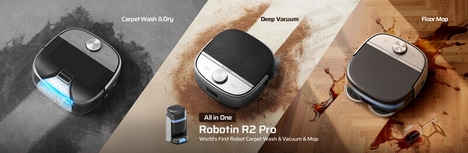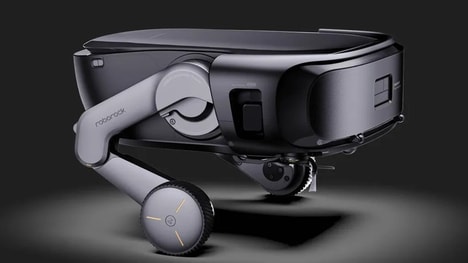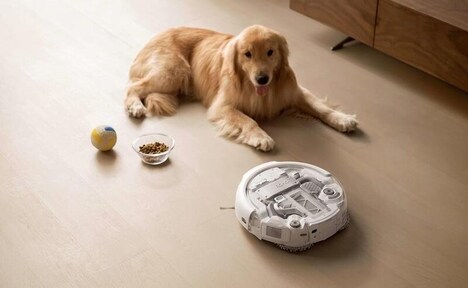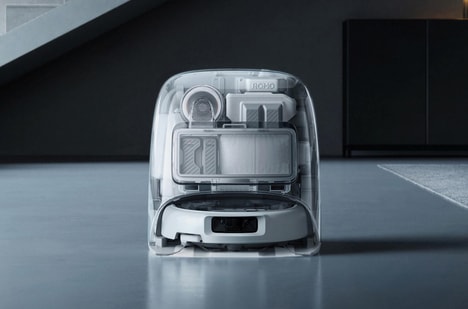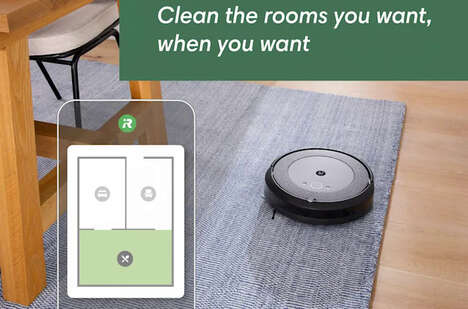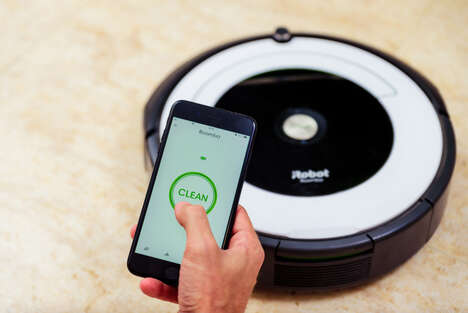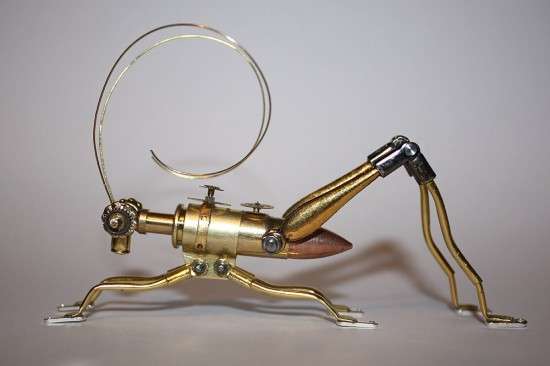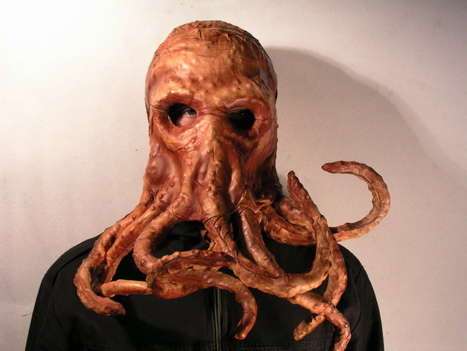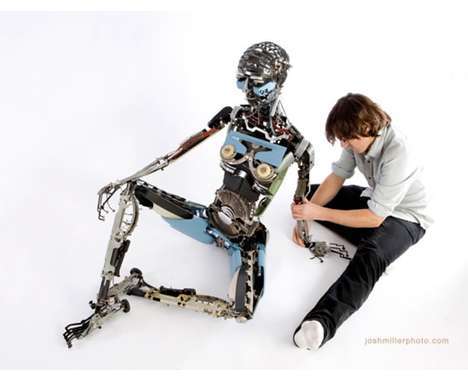
If you’re not in the military, you’ll probably think of the Roomba when the name iRobot comes to mind, but the company has actually had a series of evolutionary steps in relation to robotic design over the last 10-15 years, as shown in these photos I’ve included.
The Roomba is a robotic machine made to clean the floor of a home, but other military robotic designs by iRobot are made to clean the roads of far more dangerous things than dirt.
While Asians like to develop robots that have a similarity to humans (sometimes in a very creepy manner), iRobot CEO Colin Angle says in reality there are too many restraints when attempting to make a practical robot in the image of a human.
Even so, iRobot has dabbled in the area, as it’s obviously a great attention-getter and marketing tool that draws a lot of media attention.
Other robot shapes made by iRobot have been in the form of crabs and insects.
Why This Trend Is Growing
- Evolution of Robotic Design
- Exploring the transformative journey of iRobot's robotic designs over the past decade, from Roombas to military robots designed to clean roads.
- Practicality Over Humanoid Robots
- Highlighting iRobot CEO Colin Angle's perspective on the limitations of creating humanoid robots and the focus on practicality in design.
- Non-traditional Robot Shapes
- Showcasing iRobot's experimentation with unconventional shapes such as crabs and insects for their robotic creations.
Industries Being Reshaped
- Consumer Robotics
- Opportunity for disruptive innovation in the consumer robotics industry through the continuous evolution of designs like the Roomba.
- Military Robotics
- Exploring disruptive innovation opportunities in the military robotics sector, particularly in the development of robots designed for hazardous road cleaning.
- Marketing and Media
- Identifying potential disruptive innovation in marketing and media by leveraging attention-grabbing robotic designs as effective promotional tools.