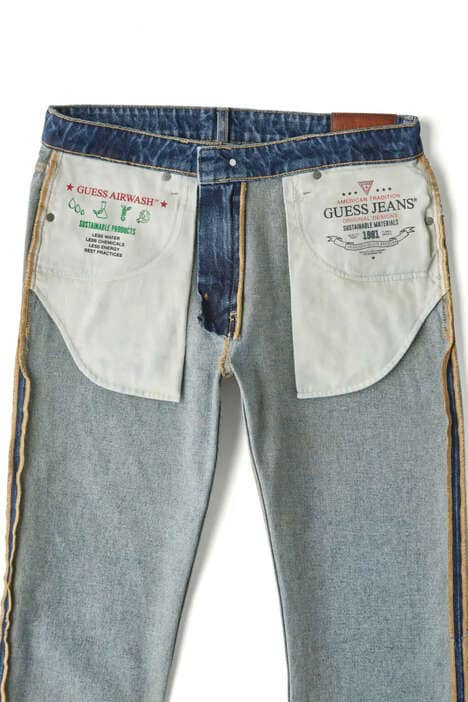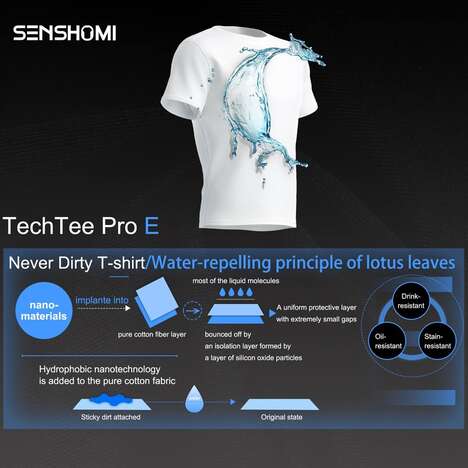
Every two years, the clothing industry uses as much water to dye apparel as there is in the Mediterranean Sea, but the Adidas DryDye T-shirts aim to change that. The company has developed a range of tees that are dyed without the use of water; instead, these pieces are dyed using compressed carbon dioxide.
Partnering with Thailand-based Yeh Group, who developed the DryDye technology, Adidas aims to put "color into our clothes while keeping the water in the Mediterranean where it belongs." Traditionally, the average shirt requires about 25 liters of water to dye, but the new Adidas DryDye tees will reduce water use to 0 liters. It will also reduce the need for chemicals by 50 percent. So far, the project has resulted in 50,000 Adidas DryDye tees, which has saved 1.2 million liters of water.
Key Themes Behind This Trend
- Waterless Dyeing
- There is a disruptive innovation opportunity in developing eco-friendly production methods to conserve water usage in the fashion industry.
- Carbon Dioxide Dyeing
- Developing technology to utilize compressed carbon dioxide in the dyeing process has the potential to create more sustainable and environmentally friendly fashion production practices.
- Chemical Reduction
- Reducing the need for chemicals in clothing production can lead to a healthier environment and more sustainable fashion practices.
Where This Applies
- Fashion
- The fashion industry is in need of more eco-friendly practices and technology to conserve water usage, reduce chemical use, and become more sustainable.
- Textile Production
- Developing new sustainable processes and materials for textile production can create a more environmentally friendly and profitable industry.
- Water Management
- Innovative solutions for managing water resources and reducing waste in production processes can have a significant impact on various industries, including fashion and textile production.