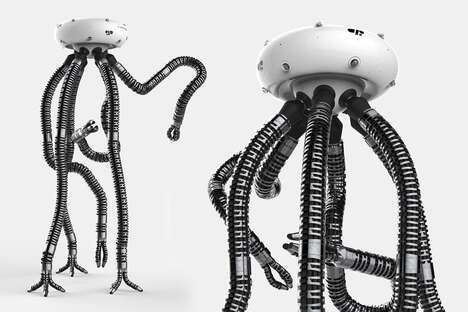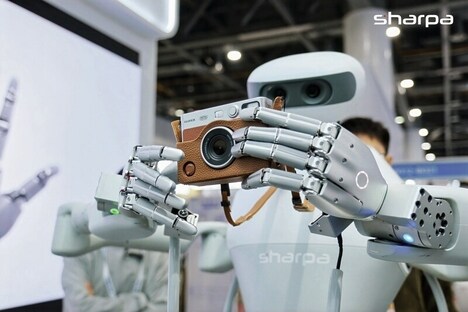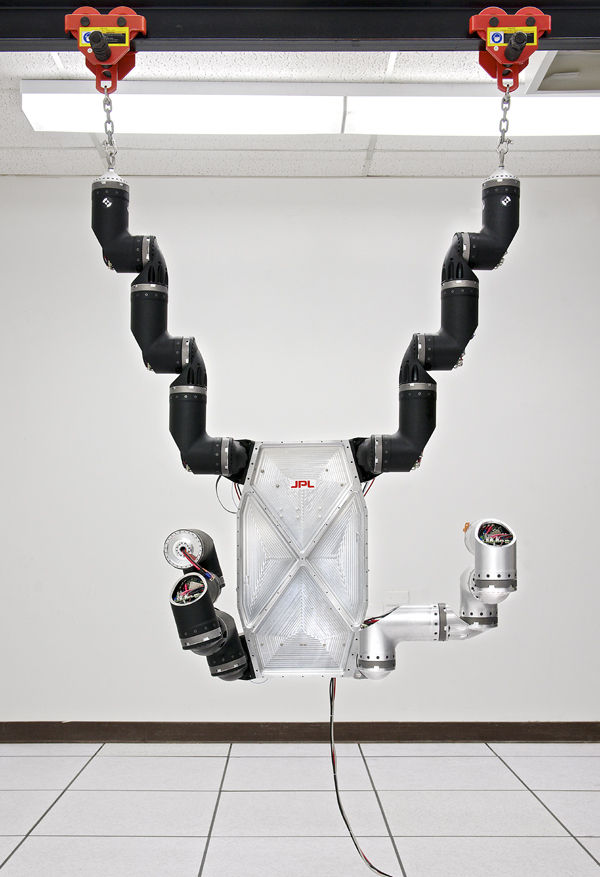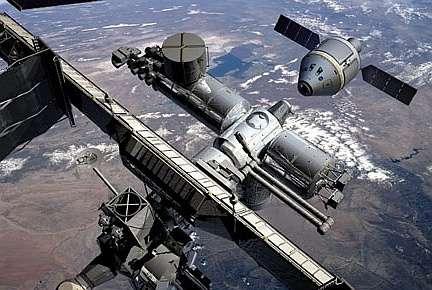
This scary looking robot from outer space is not one of the decepticons, its NASA's repair robot named Dextre. It is designed to repair the International Space Station as a replacement for an astronaut going out in space with its suit and oxygen. Dextre is about twelve feet long that can operate objects smaller than half a fraction of an inch using its eleven foot arms. According to astronaut Richard M. Linnehan, one of the astronauts who geared up Dextre in this operation, it's like "working with a Star Wars prop, but it isn't sci-fi, its reality, and it's happening up here right now." Astronauts can now focus themselves to experiments rather than fixing the ISS.
Key Themes Behind This Trend
- Repair Robots
- The development of advanced repair robots like Dextre presents disruptive innovation opportunities in various industries that require complex maintenance tasks.
- Space Station Maintenance
- The use of robots like Dextre for space station repairs opens doors for disruptive innovations in the space industry, enabling more efficient and cost-effective maintenance operations.
- Remote Manipulation Technology
- Advancements in remote manipulation technology, as demonstrated by Dextre's precise movements, pave the way for disruptive applications in industries such as healthcare, manufacturing, and infrastructure maintenance.
Where This Applies
- Space Exploration
- The use of robots like Dextre for space station repairs presents disruptive innovation opportunities in the space exploration industry, enabling more efficient and autonomous maintenance operations.
- Aerospace Manufacturing
- Advanced repair robots like Dextre have the potential to disrupt the aerospace manufacturing industry by improving the automation and precision of assembly and maintenance processes.
- Medical Robotics
- The remote manipulation technology exhibited by Dextre can disrupt the medical robotics industry, enabling surgeons to perform complex procedures with increased precision and dexterity.