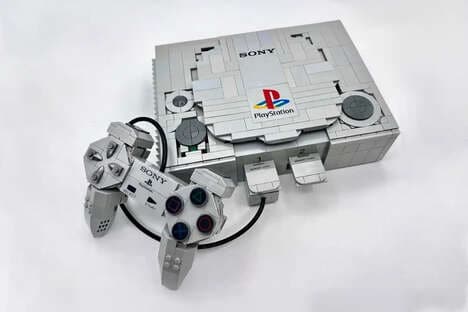
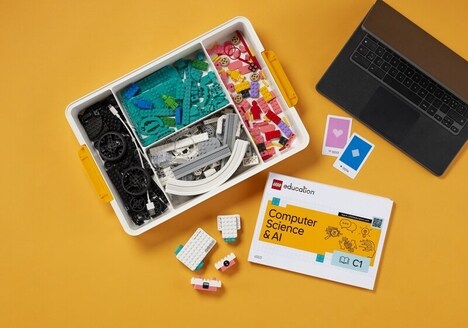
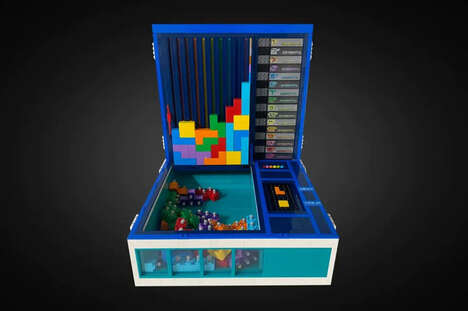
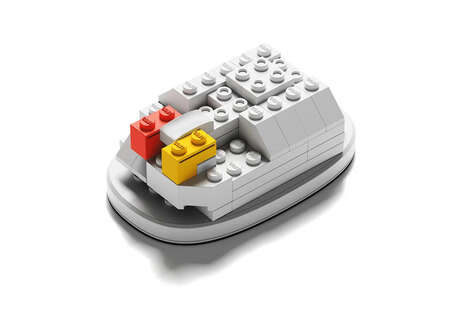
Dutch designers Jeroen van den Bosand and Davy Landman have created a working LEGO computer, a machine based on the Turing Machine Theory of 1936. The theory was formed by Alan Turing, an English mathematician who is considered the "father of computer science and artificial intelligence," as the site for the 'Turings Erfenis' Exhibit, where the LEGO computer is currently on display, states.
The LEGO computer was made in celebration of what would be Turing's 100th birthday on June 23. The modern machine uses toy blocks to symbolically represent Turing's theory, which delineates how all computers are based on fundamental operative concepts. According to PSFK, the LEGO computer differs from the original Turing computer in that the modern counterpart has only 32 positions of tape.
Key Themes Behind This Trend
- Lego-based Computing
- Designing functional computers using LEGO blocks as a physical manifestation of computing theories, thereby providing a cheaper and more creative way to learn computer science.
- Toy-based Learning
- Using toys as tools for learning complex concepts, such as computer science, to make education more enjoyable and interactive for young learners.
- Turing Machine Theory Applications
- Exploring and applying Turing Machine Theory in modern technology, such as cloud computing and virtualization, to create more efficient and effective systems.
Where This Applies
- Education
- Developing educational toys that can improve teaching methods, making learning more fun for children and students.
- Computing and Hardware
- Collaborating with toy manufacturers to produce functional computers that democratize technology and inspire creativity with a focus on sustainability.
- Technology
- Creating more efficient technology systems, such as cloud computing and virtualization, that are based on the principles of Turing Machine Theory to optimize performance and reduce costs.