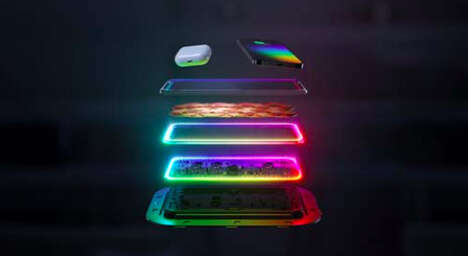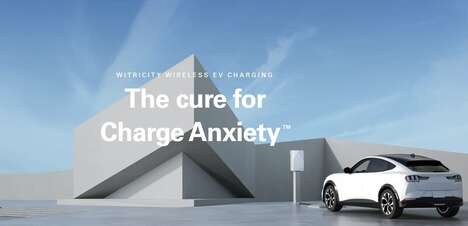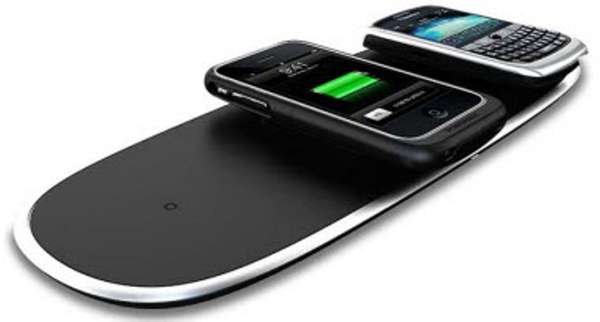
The household power cord might become a thing of the past. Researchers at the Massachusetts Institute of Technology (MIT) have discovered a way to transmit wireless power, causing a 60-Watt bulb to light. The new technology follows in the footsteps of the radio, wireless telecommunications, and Wi-Fi.
If you like this, you may also like to learn about wireless recharging, which Trend Hunter featured HERE and HERE.
Implications - After checking both of those awesome examples of wireless energy, you should also consider the work that the Massachusetts Institute of Technology has done with their 60-watt light bulb, as it is a very futuristic creation.
Key Themes Behind This Trend
- Wireless Power
- MIT's breakthrough in wireless power transmission allows for new possibilities in cordless device charging, remote powering, and smart infrastructure.
- Smart Lighting
- Wireless power can enable new innovations in lighting technology, allowing for easier installation and control of smart bulbs and fixtures.
- Internet of Things (iot)
- Wireless power can help to power and connect the multitude of IoT devices, creating new possibilities for smart homes, factories, and cities.
Where This Applies
- Consumer Electronics
- Wireless power can disrupt the consumer electronics industry by eliminating the need for cords and allowing for more streamlined and efficient charging methods.
- Lighting
- Smart, wirelessly powered lighting systems can revolutionize the lighting industry, allowing for greater customization and control and more sustainable energy use.
- Infrastructure
- Wireless power transmission can transform infrastructure by creating new possibilities for remote powering and monitoring of devices and systems, such as in smart cities and factories.