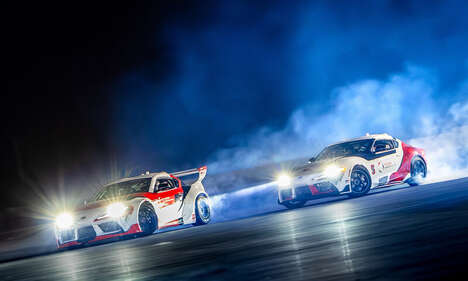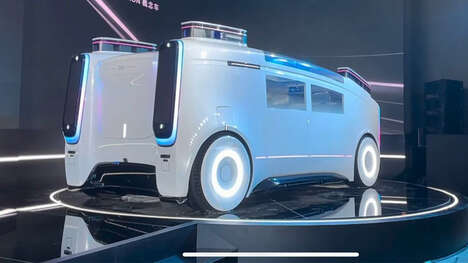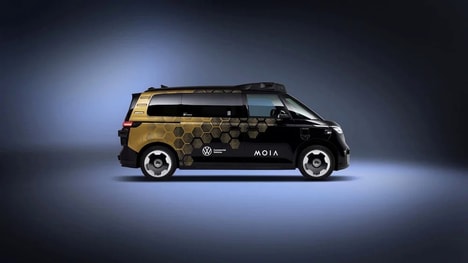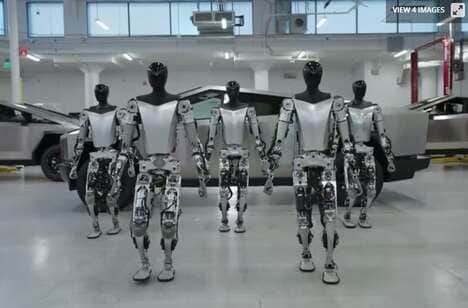
Scientists are now developing robots that could substitute humans when driving cars and they will test it this November in a competition run by the US Defense Advanced Research Projects Agency (DARPA). Associate Professor Sebastian Thrun of Stanford University said “In the past it was sufficient for a vehicle just to perceive the environment, the new challenge will be to understand the environment. The robot must be able to recognize another car, to understand that it is moving and that it will interact with it as it gets closer.â€
Stanford's participant "Junior" is an improved 2006 Volkswagen Passat. Steering, throttle and brakes all have been customized by engineers to be absolutely computer-controllable. A collection of lasers built-in on the car bumpers, radar and global positioning systems collects information into the on-board computer to establish its location. Thrun expected that robots would replace human drivers by 2030.
Key Themes Behind This Trend
- Robot Drivers
- The development of robots that can substitute humans when driving cars presents disruptive innovation opportunities for the transportation industry.
- Autonomous Vehicles
- The advancement in autonomous vehicles opens up opportunities for disruptive innovation in various industries, including transportation and logistics.
- Artificial Intelligence in Automotive
- The integration of artificial intelligence in the automotive industry creates opportunities for disruptive innovation in vehicle automation and safety systems.
Where This Applies
- Transportation
- The transportation industry can leverage the rise of robot drivers to revolutionize the way goods and people are transported, leading to more efficient and safer processes.
- Logistics
- Incorporating autonomous vehicles in logistics operations can transform supply chain management, enabling faster and more accurate deliveries.
- Automotive
- The automotive industry has the potential to revolutionize the driving experience with the implementation of artificial intelligence and robotic technology in vehicles.