Apparently, businesses do disaster better. This was one of the key lessons during Hurricane Katrina which has now led the Red Cross to form a new disaster response partnership with Wal-Mart. Naiomi Campbell offers a unique perspective of this sort of partnership could lead to dependence on a skewed system of disaster capitalism. Read her article, "Pay to Be Saved," at the Nation.
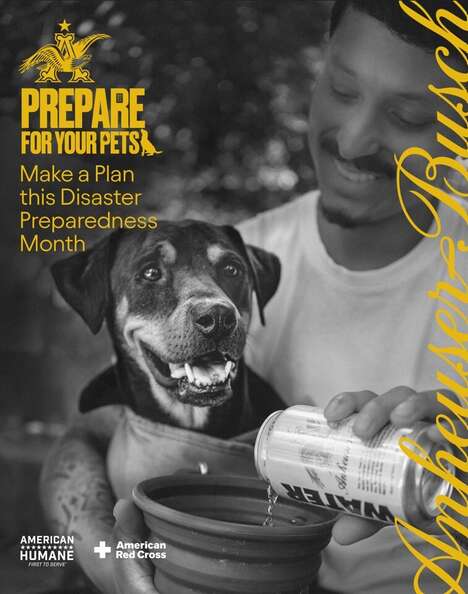
Implications - When a disaster strikes, companies rally together to help those in need. The companies are able to demonstrate corporate social responsibility and maintain a positive image for themselves. By doing this, those effected will also associate the company with humanitarianism for their help during desperate times.
Why This Trend Is Growing
- Disaster Relief Partnerships
- Creating partnerships between disaster relief organizations and companies like Walmart can provide more effective and efficient response to disasters.
- Dependence on Skewed System
- The formation of disaster response partnerships with corporations may lead to a system of disaster capitalism, where help during emergencies becomes dependent on corporate involvement.
- Corporate Social Responsibility
- Companies participating in disaster relief efforts can enhance their corporate social responsibility image and improve public perception.
Industries Being Reshaped
- Disaster Relief
- The disaster relief industry can benefit from forming strategic partnerships with corporations to improve disaster response and recovery efforts.
- Retail
- Retail industry, represented by Walmart in this case, can explore opportunities to collaborate with disaster relief organizations and leverage their resources for meaningful humanitarian impact.
- Media and Commentary
- Media and commentary industries have the opportunity to discuss, analyze, and raise awareness about the potential consequences and benefits of disaster capitalism and corporate involvement in disaster response.