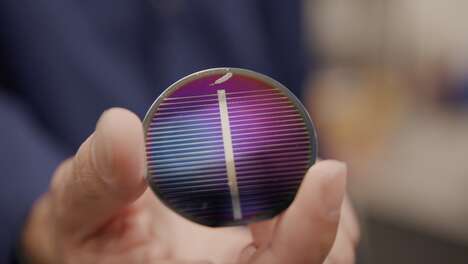
Tel Aviv University researchers looking for an Alzheimer’s cure got an unexpected nanotech discovery that could mean better solar and battery power. The discovery involves peptides that self-assemble in a vacuum. The end result is a nanocoating, a forest of tiny grass-like tubes that repel dust and water. Windows and solar panels made with the peptide coating would be self-cleaning. Clean solar panels are more efficient.
A bonus feature of the material is its potential as a super-capacitor. If it all works out, lithium batteries using the nanocoating could pack more of a punch and last longer.
Key Themes Behind This Trend
- Nano-coating Technology
- Nano-coating technology can disrupt various industries by providing self-cleaning surfaces and improving durability.
- Renewable Energy Innovations
- Renewable energy innovations, such as self-cleaning solar panels, have the potential to revolutionize the energy industry.
- Nanotechnology Advancements
- Advancements in nanotechnology offer disruptive opportunities for various sectors, including energy storage and surface coatings.
Where This Applies
- Solar Energy
- The solar energy industry can benefit from self-cleaning solar panels, improving energy efficiency and reducing maintenance costs.
- Battery Technology
- The battery technology sector can explore nanocoating innovations for improved durability, energy storage capacity, and longevity.
- Clean Energy Solutions
- Clean energy solutions providers can leverage nano-coating technology to offer more sustainable and efficient products and services.